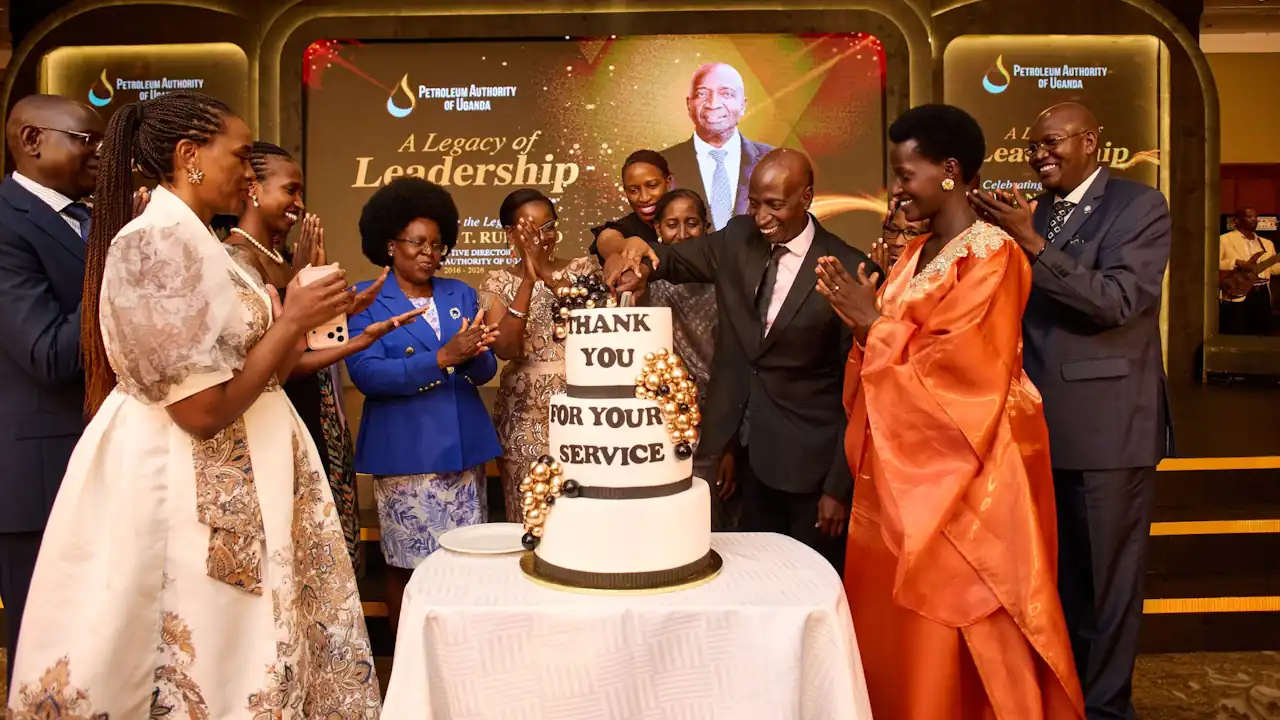
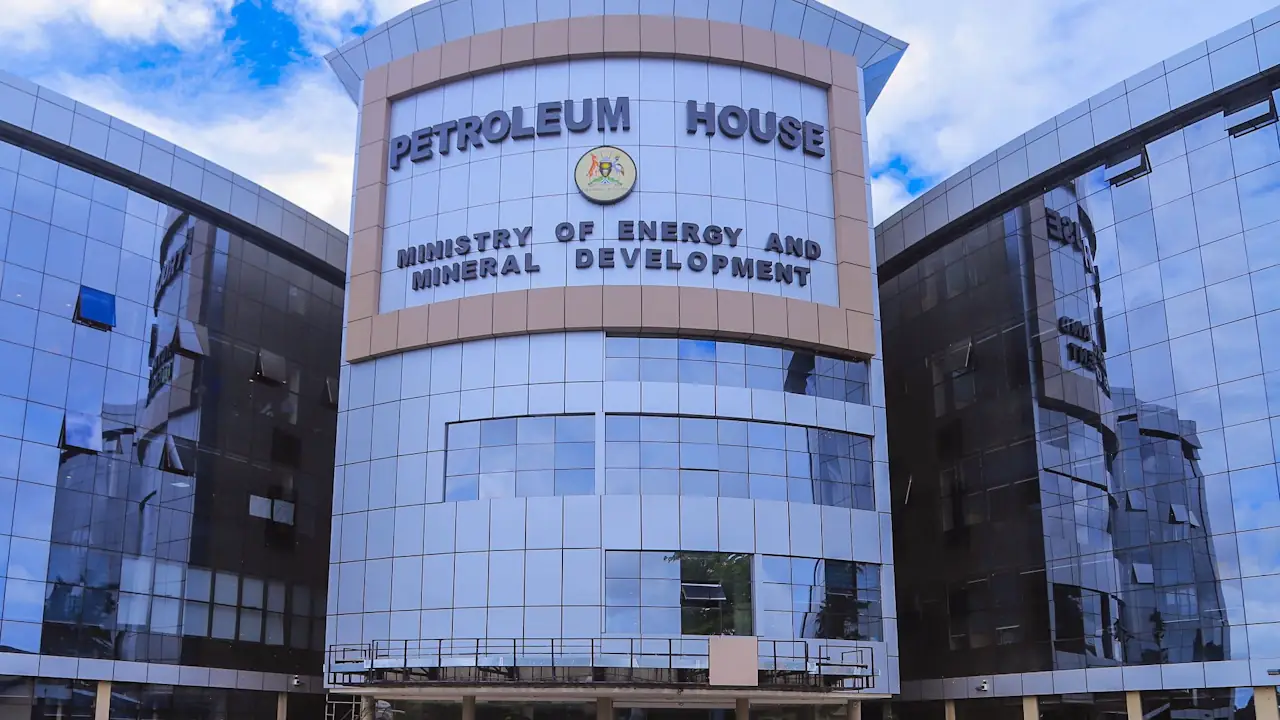

The Petroleum Authority of Uganda (PAU) board chairperson, Ms Lynda Biribonwa last week on Wednesday acquiesced to media pressure about recruitment of the authority’s substantive Executive Director and announced the appointment of Mr Fred Kabanda, effective 1 December after a Daily Monitor report on the delay put the board under pressure to end the impasse.
The authorit named Fred Kabanda, currently manager for extractives at the African Development Bank (AfDB), as its substantive executive director, ending eight months of uncertainty over who would succeed Ernest Rubondo atop the oil and gas regulator.
Mr Kabanda, 56, scored 82 per cent in board interviews, ahead of Ali Ssekatawa, PAU’s director for legal and corporate affairs, who scored 79 per cent; the two were the last standing from a field of 22 candidates.
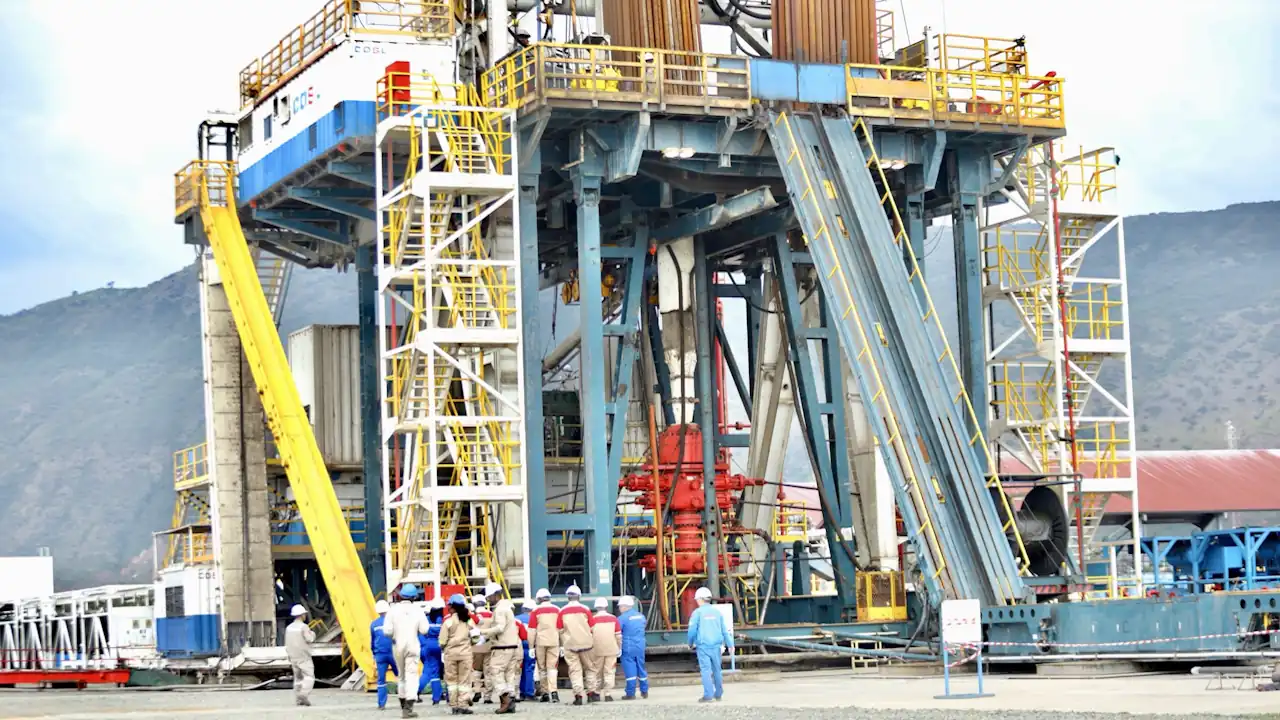
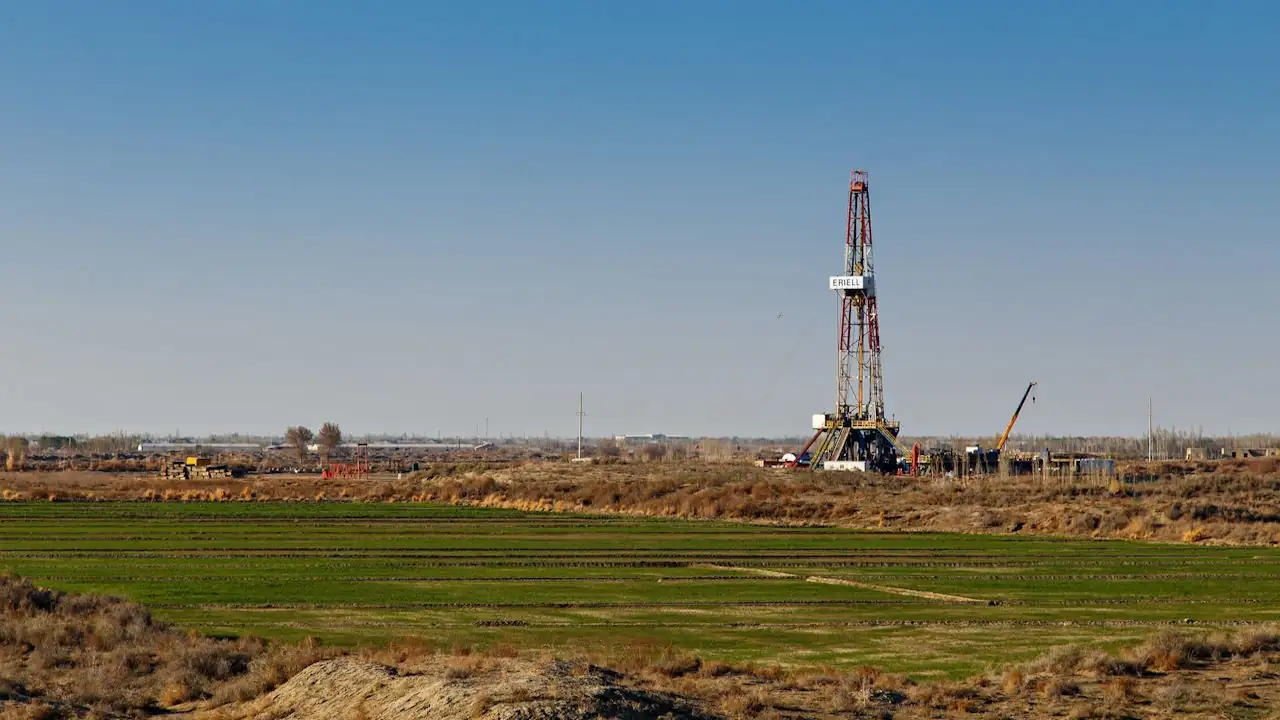
The appointment settles a contest that had split opinion between engineers and lawyers over who should run Uganda’s oil sector, and arrives weeks before the country expects to start commercial crude production. The East African Crude Oil Pipeline (EACOP) is due for completion between October and November, alongside commissioning of the Kingfisher field, and PAU regulates the industry from exploration through to export.
Mr Rubondo’s two-term, non-renewable mandate lapsed on 31 August. PAU’s own human-resources manual calls for a successor to be named by May to allow a smooth handover, but the recruitment process, which began with the job’s external advertisement in December 2025, stalled amid lobbying for a third term for Mr Rubondo, a move that would have required amending the Petroleum (Exploration, Development and Production) Act, 2013, which caps the post at five years, renewable once.
Ms Biribonwa’s eight-member board stayed silent even after Monica Musenero Masanza, the energy minister at the time, wrote in August authorising a substantive appointment. It fell to Ruth Nankabirwa, who has since taken over the energy portfolio, to forward the two names to President Yoweri Museveni for a final decision. In the interim, PAU installed Michael Otonga-Ochan, its director of finance and corporate services, as acting executive director, prolonging the unease inside the authority.
Mr Kabanda and Mr Rubondo belong to the first cohort of scientists that Mr Museveni’s government sent abroad in the 1990s to train in petroleum geology, geophysics and geochemistry. Mr Kabanda holds a master’s degree in petroleum engineering from the Norwegian University of Science and Technology. Both men worked afterwards in the energy ministry’s Petroleum Exploration and Production Department through the exploration drive that ended in October 2006, when Uganda’s oil reserves were declared commercially viable, under Fred Kabagambe-Kaliisa, the long-serving permanent secretary whom Mr Museveni retired in 2016 but kept on as senior presidential adviser on oil and gas.
Some industry figures believe Mr Kabagambe-Kaliisa was consulted on the appointment — and that others had questioned whether Mr Kabanda, absent from the sector for a decade, understood its current commercialisation phase.
Mr Ssekatawa has meanwhile been central to negotiating contracts underpinning Uganda’s $10bn oil project, including TotalEnergies’ Tilenga development, CNOOC’s Kingfisher field and the 1,443km EACOP. His supporters cast him as part of a newer generation carrying the sector forward from what they call an “old guard” still preoccupied with the original 2006 discovery.
The case for Mr Kabanda rested on doubts that a non-scientist could extend Mr Rubondo’s technical legacy; the case for Mr Ssekatawa, on the argument that a regulator entering commercial production needs grounding in law and economics. With the succession settled in the engineers’ favour, industry participants are watching for friction between an outsider brought in from the AfDB and the insider who fell short.
Accounts differ on why the appointment was withheld for so long after Dr Musenero’s August letter. Some point to the board giving Mr Kabanda time to serve his notice at the AfDB before year-end; others describe a late, unsuccessful push to change President Museveni’s mind, a decision he made despite having been unimpressed when Mr Kabanda resigned from the energy ministry in 2016 after losing the PAU post to Mr Rubondo the first time round. Mr Kabanda is expected to take up the role on 1 January 2027.
Uganda is on course to begin commercial oil production between October and November, once EACOP is finished and Kingfisher’s mechanical commissioning is complete — the culmination of three decades of exploration that Mr Kabanda’s generation began.