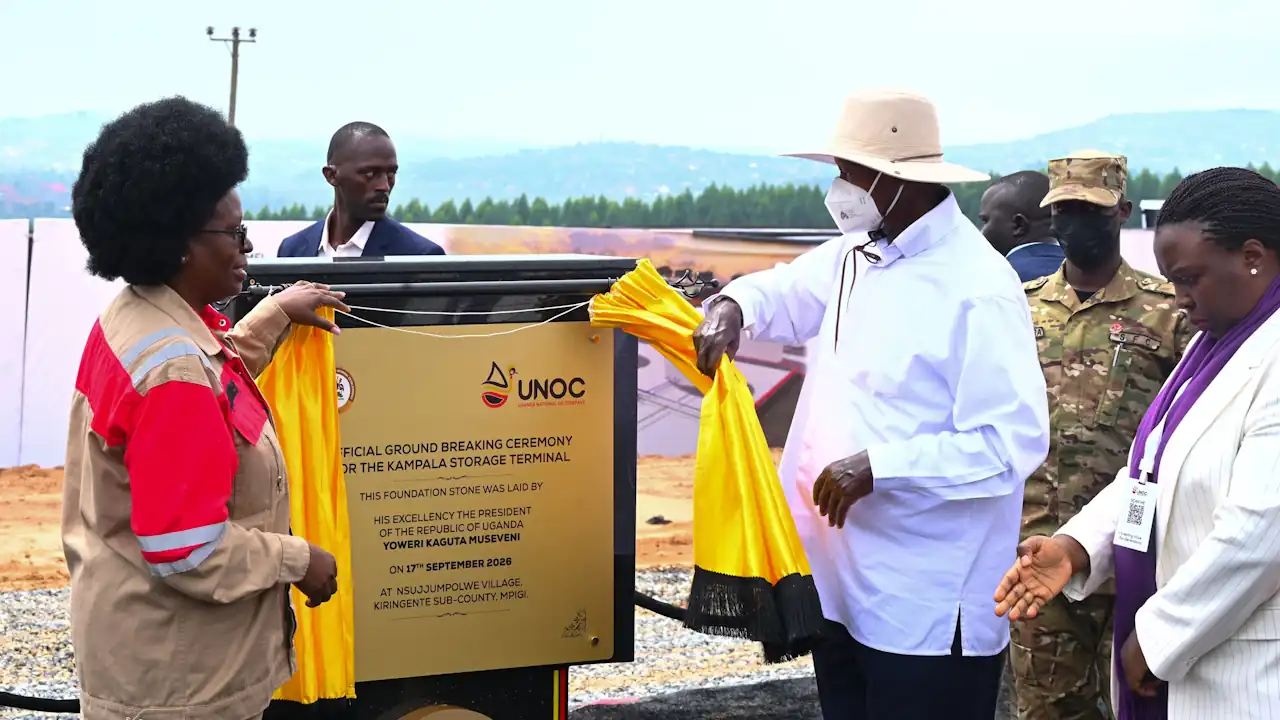

Buyala village, straddling the sub-counties of Kiringente and Mudduma in Mpigi district, was until recently an unremarkable rural hamlet. That is changing: construction began on Thursday on a 320-million-litre petroleum storage terminal, part of a wider government programme to build up strategic fuel reserves.
The village is also the site of a bitter dispute between residents on one side, and the Kampala Capital City Authority and the National Environment Management Authority (NEMA) on the other, after the authorities acquired 200 acres there in 2024 to build an open-air rubbish landfill.
Last September, Buyala residents took KCCA and NEMA to the High Court in Kampala, alleging a violation of their right to a clean and healthy environment. They said more than 100 refuse trucks ply the village daily, including at night, adding to foul emissions already coming from the site.
KCCA opened the landfill in Buyala after hitting resistance to a proposed site in Mukono, following the collapse of the Kiteezi landfill in August 2024, which killed more than 20 people.
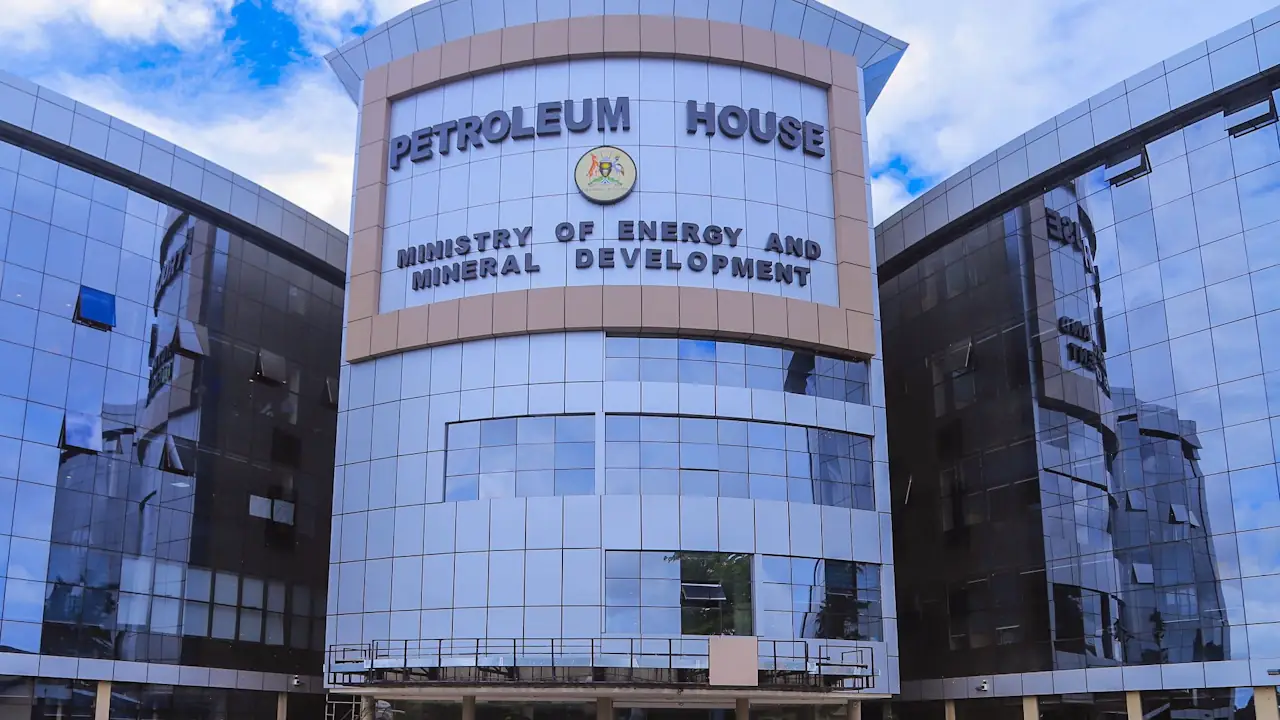
Speaking at Thursday’s groundbreaking for the Kampala Storage Terminal, which President Yoweri Museveni presided over, the Energy Minister, Monica Musenero, described the site’s proximity to the landfill as “a key challenge.”
“The Master Plan study undertaken by my ministry in 2017 highlighted a pertinent need for the Ministry of Lands, Housing and Urban Development and Mpigi District Local Government to regularise land use and zoning around the terminal, so as to guide, check and control development within a one- to two-kilometre radius and mitigate risks that would jeopardise the safety of its operations. We will continue to engage KCCA on this matter,” she said.
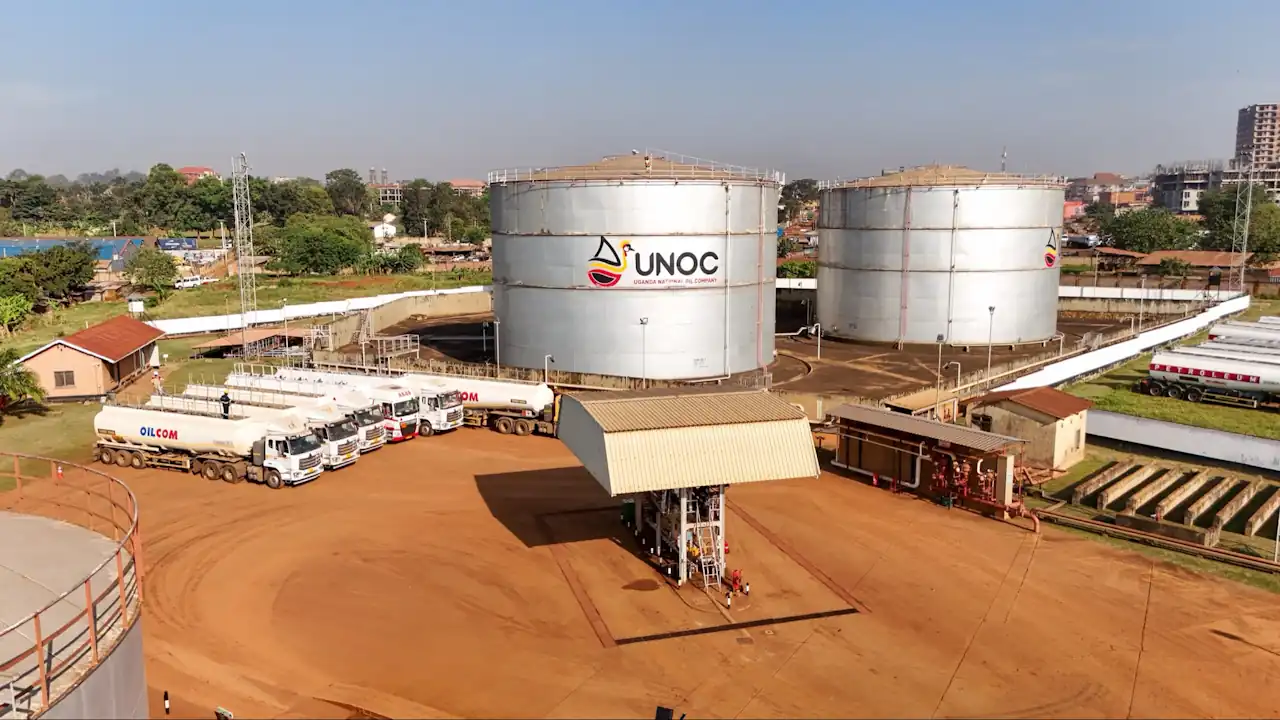
She described the $310mn facility, wholly owned by the Uganda National Oil Company, as an important step in strengthening Uganda’s petroleum supply infrastructure and cementing its ambition to become a regional fuel hub serving northern Tanzania, Rwanda, eastern Democratic Republic of Congo and South Sudan.
President Museveni said the government would also upgrade the Jinja Storage Terminal from 30 million to 40 million litres, part of a broader push to strengthen energy security and position Uganda for greater regional trade in petroleum products.
The combined petroleum storage capacity currently held by government and the private sector stands at 159.7 million litres.
UNOC, which holds a monopoly on importing petroleum products from the Middle East — arranged with the Vitol Group’s Bahrain-registered trading arm, Vitol Bahrain E.C., via the Kipevu Oil Terminal in Mombasa — is banking on the KST as one of its more straightforward avenues for revenue growth.
The KST is scheduled for completion in 2028 and will handle imports of Premium Motor Spirit (petrol), Aviation Turbine Kerosene (Jet A-1), Automotive Gas Oil (diesel) and household kerosene, eventually also storing refined products from the planned oil refinery at Buseruka in Hoima district.
With a combined 450 trucks a day expected in and out of the facility once operational, alongside the steady flow of rubbish trucks serving the neighbouring landfill, traffic in the area is set to roughly quadruple — a volume officials say could prove dangerous without proper zoning. To manage that risk, the facility will need a dedicated road link to the Mpigi Expressway, which connects to the Kampala–Entebbe Expressway and the Kampala Northern Bypass.
Uganda currently consumes an average of 240 million litres of petroleum products a month. Boosting storage capacity is therefore central to energy security, industrial reliability and protecting households from prolonged shortages.
Irene Bateebe, the Energy Ministry’s permanent secretary, said the project reflected commitments under the National Development Plan IV. “We are committed to ensuring a secure and reliable supply of petroleum products. With your guidance, Your Excellency, UNOC, working closely with the Ministry, has done a commendable job in achieving this objective,” she said, addressing President Museveni directly.