
Uganda’s plan to support more than 2 million refugees this year had received about a third of the money it needs by late September, UN data show, nearly three times the 12 per cent figure cited by parliament’s deputy speaker in an appeal to European lawmakers this week.
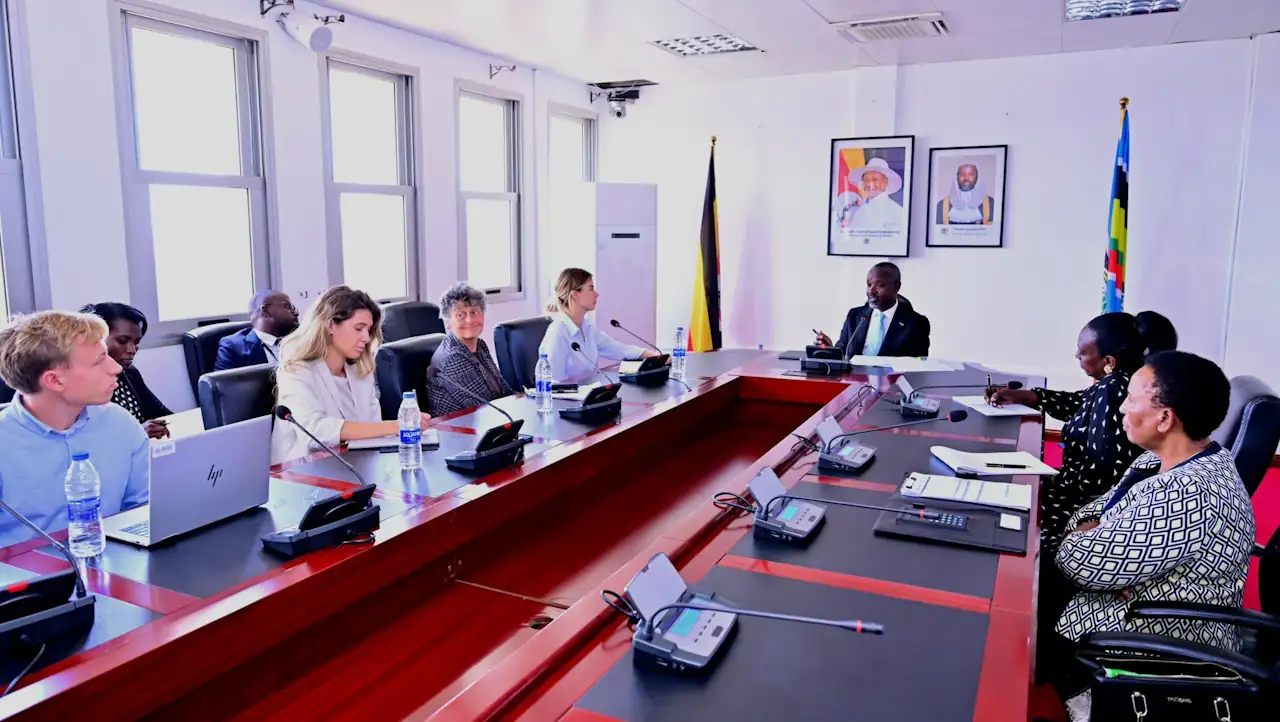
Thomas Tayebwa told Tineke Strik and Anna Strolenberg, members of the European Parliament visiting Kampala, on Monday that Uganda’s 2026 refugee response plan required about $850mn (Shs3.3tn) and was only 12 per cent funded.
That figure comes from UNHCR’s funding update for the first quarter, which covers the period to the end of March. It showed $101mn available: $85mn received this year, plus $16mn carried over from 2025.
The UN’s Financial Tracking Service (FTS), which records contributions reported by donors and aid agencies, showed $279.2mn (Shs1.1tn) received against a requirement of $828.7mn (Shs3.2tn) as of 23 September, or 33.7 per cent. The two sources count funding differently, and the FTS total can change as new reports arrive.
Reported humanitarian funding to Uganda fell by more than half in 2025, to $158.6mn from $357.2mn in 2024, according to FTS, in a year when the US cut its foreign aid. Reported funding for this year’s plan, at $279.2mn, has already passed last year’s total.
Mr Tayebwa said the shortfall had reduced the number of teachers and health workers previously paid for by international partners in refugee-hosting areas, and had stretched staffing in the refugee department of the Office of the Prime Minister.
“From our assessment, the current humanitarian funding model is no longer sufficient. Without alternative financing, pressure will overwhelm the government and host communities,” he said.
The EU has allocated €20.7mn in humanitarian assistance to Uganda this year, down from €23.9mn in 2025, according to figures in the parliament’s statement. The bloc says it has provided more than €194mn in humanitarian funding to Uganda since 2021.
Water and sanitation had $0.9mn of the $46mn it needed at the end of March, according to the UNHCR update. Health and nutrition had $6mn of $131mn, and food security $5.2mn of $110mn.
The World Food Programme is the largest UN recipient of humanitarian funding in Uganda this year, with $60.3mn, followed by UNHCR with $46.1mn, FTS data show. UNHCR’s own budget for Uganda, a separate figure from the wider plan, stood at $361mn and was 24 per cent funded at the end of August.
Most of the refugees and asylum seekers in Uganda are women and children, and the largest groups come from South Sudan and the Democratic Republic of Congo.
Mr Tayebwa urged the EU to address the conflicts driving displacement. “If Uganda cannot help these people settle, they are the people who will join Al-Shabaab, these are the people who will be trafficked to Europe,” he said.
“International partners should not leave Uganda alone,” said Ms Strik, who added that European countries could learn from Uganda’s approach.
A year ago, UNHCR warned that its emergency funding in Uganda would run out in September 2025, when about 600 people were arriving each day.
($1 = Shs3,900, Bank of Uganda mid-rate, 23 September)