
Leading the African fintech revolution… from London
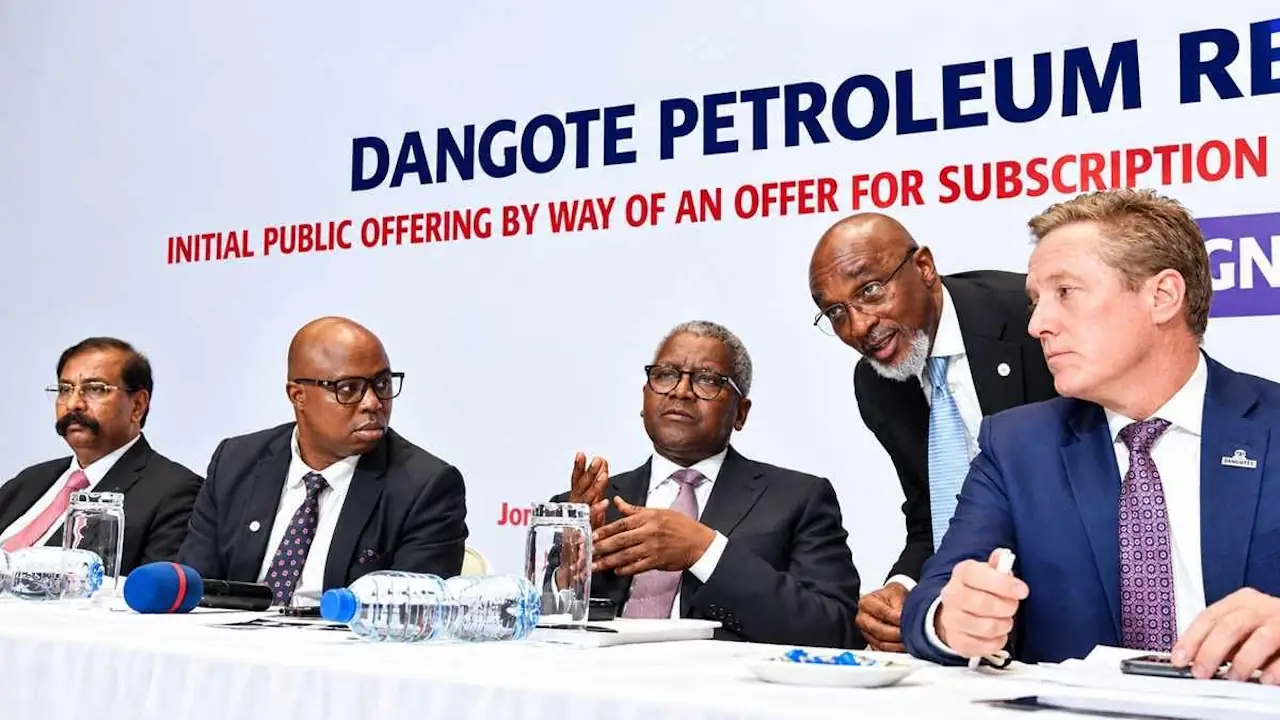
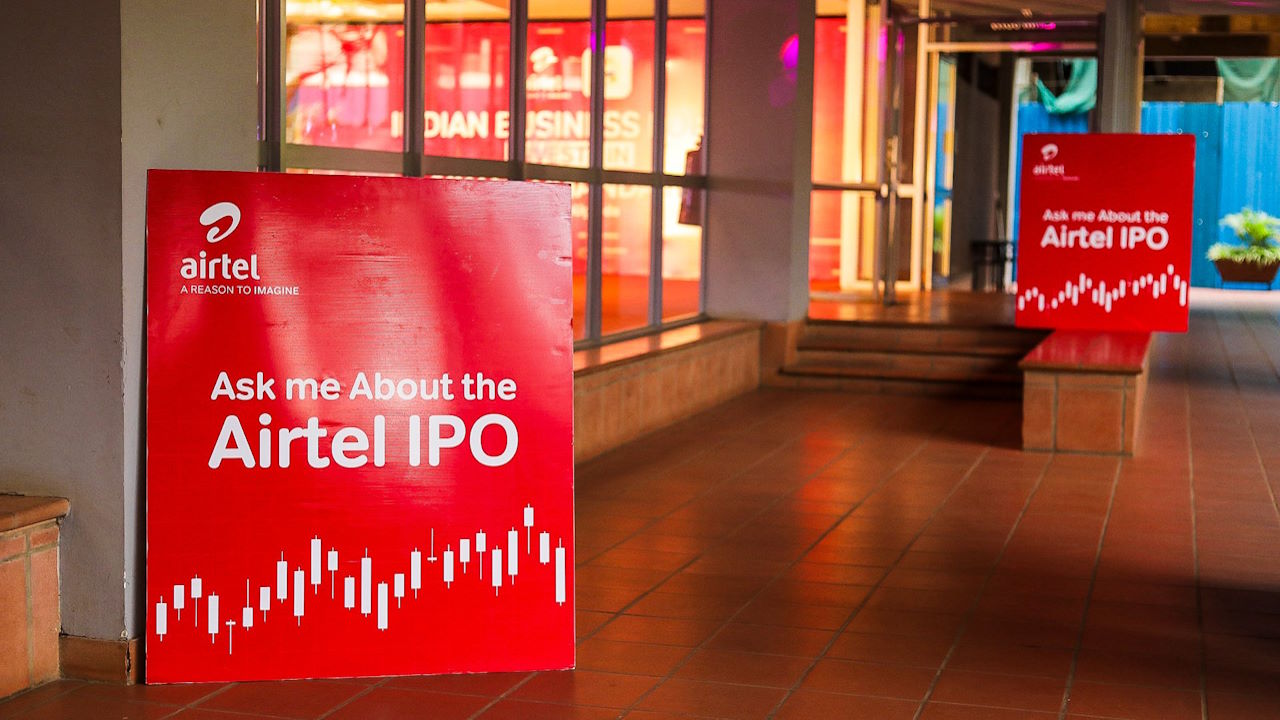
Airtel Money, the mobile money arm of Airtel Africa, began trading in London on Friday, valued at £5.3bn ($7bn). It operates in 13 countries, Uganda among them. The FT had reported, citing people briefed on the plans, that it wanted $8bn to $9bn. Shares touched 200p against a 196p offer price, then stood at 192.1p by midday, Sharecast reported.
The deal in brief
- Sellers took about £529mn ($703mn, according to Reuters) for 270mn existing shares, 10 per cent of the company. That rises to 11 per cent if the banks take up an option on 27mn more. The prospectus puts the net at about £508mn. Airtel Money itself received nothing.
- Rise Fund, Qatar Holding, Mastercard and Chimetech sold. Airtel Africa sold nothing.
- Rise and Mastercard hold put options that could have forced Airtel Africa to buy them out. Each sold about half its stake, on the prospectus’s expected allocations. The options lapse on 14 October, when the shares are admitted to the exchange.
- IFC, the World Bank’s private-sector arm, took £67.2mn of the shares. The company and the sellers have agreed not to sell any more for 180 days, and directors for a year. For 30 days Citi, the lead bank, may buy shares in the market to cushion any fall, though it need not.
Parent and child
Airtel Money is Airtel Mobile Commerce N.V., a Dutch company separate from the telecoms business of Airtel Africa. Airtel Africa runs telecoms in 14 countries, counted 189mn subscribers at the end of June, and keeps 77.85 per cent of Airtel Money through a Dutch holding company. That stake is worth about £4.1bn at the offer price. Airtel Africa is listed in London, where it sits in the FTSE 100, and in Lagos. It is itself controlled by India’s Bharti Airtel.
The brand began in 2011 as an extension of the telecoms network, and the two businesses still lean on each other. Airtel Money rents the telco’s IT systems, text and USSD channels and field sales network, and sells airtime and bundles through its wallet. Revenue from related parties, a category that includes Airtel Africa and its subsidiaries, was about 17 per cent of the total in the quarter to June, the prospectus says.
Uganda in Airtel Money
Uganda brought Airtel Money $296mn in the year to June, about 20 per cent of revenue and second only to Zambia ($394mn). Revenue has grown about 18 per cent a year in dollars since March 2024. Monthly active users rose from 9.6mn to 11.8mn. The prospectus says Airtel Money gained about 1.8 percentage points of market share in the year to March and splits the market roughly equally with MTN. A fifth of the $7bn valuation would be about $1.4bn, though the company does not value its markets separately.
Outside Airtel Uganda
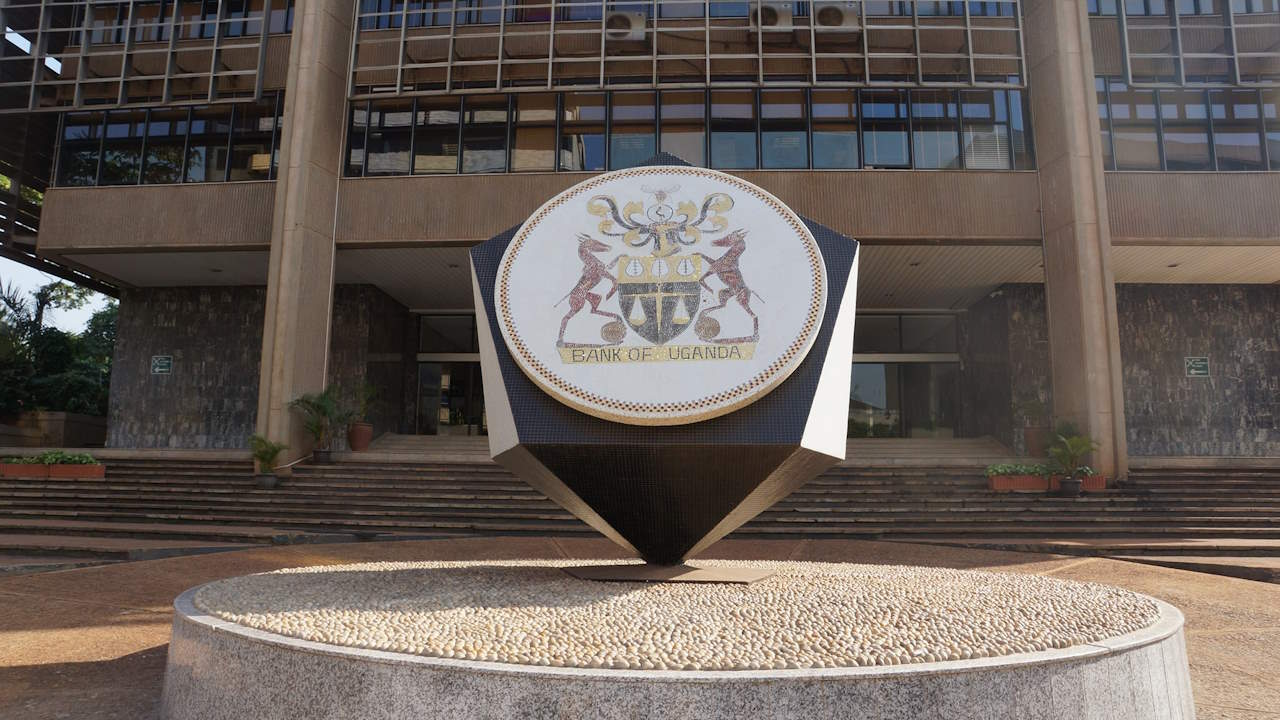
Shares sold in Airtel Uganda’s 2023 listing in Kampala carried no stake in mobile money. Uganda’s mobile money licences belong to Airtel Mobile Commerce Uganda Limited, which the Bank of Uganda licensed on 6 May 2021 as a payment service provider and an electronic money operator. It is owned through a Dutch holding company—the prior mentioned Airtel Mobile Commerce N.V.—in the Airtel Money group, not by Airtel Uganda.
The telco’s 2023 prospectus cited the National Payment Systems Act 2020 as the legal reason, describing a requirement to segregate mobile money from the telecoms business. Section 48(1) requires a payment service provider that wants to issue electronic money, and is not a bank or a company set up only for that purpose, to do so through a subsidiary legal entity.
Airtel Mobile Commerce Uganda has made up to Shs150bn ($41mn) available to Airtel Uganda under a loan facility that runs to 2030, and Airtel Uganda had drawn $29mn of it by 30 June. Airtel Uganda’s ties to mobile money run through contracts, not a shareholding.
The scale gap
The sale was 38 times what Uganda’s exchange traded in the first seven months of 2026 (Shs72.5bn, about $18.5mn). At $7bn, Airtel Money is worth more than every locally listed Ugandan company combined (Shs23.1tn, about $5.9bn, at end-July). It equals about a quarter of the Nairobi exchange ($27.4bn). Johannesburg ($1.5tn) is more than 200 times larger, but Airtel Money has no South African business.
Between the lines
Absa’s index scores the financial markets of 29 African economies, about 80 per cent of the continent’s output and population. It ranks Uganda third, on 66, behind South Africa (86) and Mauritius (76). On market depth Uganda scores 45 against South Africa’s 98, and on liquidity 23 against 100. Kenya scores 34 on depth and Nigeria 51.
Five of Airtel Money’s six biggest markets are in the index, and together they produce about 88 per cent of its revenue. Their depth scores run from Tanzania’s 50 and Uganda’s 45 to Malawi’s 34, Zambia’s 33 and the DRC’s 23. Gabon, the sixth, is not scored. Absa’s 2025 report, covering the year to June 2025, found most exchanges outside South Africa and Egypt struggling with low trading volumes. It warned of a “concentration of liquidity in just a few exchanges”. Absa, which compiles the index with OMFIF, was a joint bookrunner on the Airtel Money offer.
Flashback
Airtel Uganda’s 2023 IPO offered 20 per cent of the telco. It was 54.45 per cent subscribed, counting free incentive shares, and raised Shs211.4bn ($56mn) against about Shs800bn implied. NSSF bought 96.9 per cent of the shares sold. MTN Uganda’s 2021 offer was 60 per cent subscribed. The London sale was 12.6 times the Airtel Uganda IPO.
Yes, but
Safaricom raised Ksh51.75bn in Nairobi in 2008, roughly $800mn, on bids above Sh220bn. Depth is not the whole answer.
The sellers are four international investors who wanted liquidity, according to the prospectus. Two of them held put options that lapse on a listing. Airtel Africa itself is listed in Lagos as well as London. Ian Ferrao, Airtel Money’s chief executive, told the FT: “we just felt that London was the right place for us to bring this IPO.” The prospectus says no application is planned for any other exchange.
What’s next
14 October: formal admission. 8 November: Citi’s 30 days of price cushioning end. April 2027: the ban on further sales by the company and sellers lapses.