Bank of Uganda
Shilling in now familiar territory with another record low
Uganda’s shilling reached another record low on Friday, a day after the central bank resumed selling foreign currency
EIB backing targets climate-risk rules at Ugandan banks
Uganda’s green taxonomy and existing climate-risk rules move closer to implementation under EIB Global support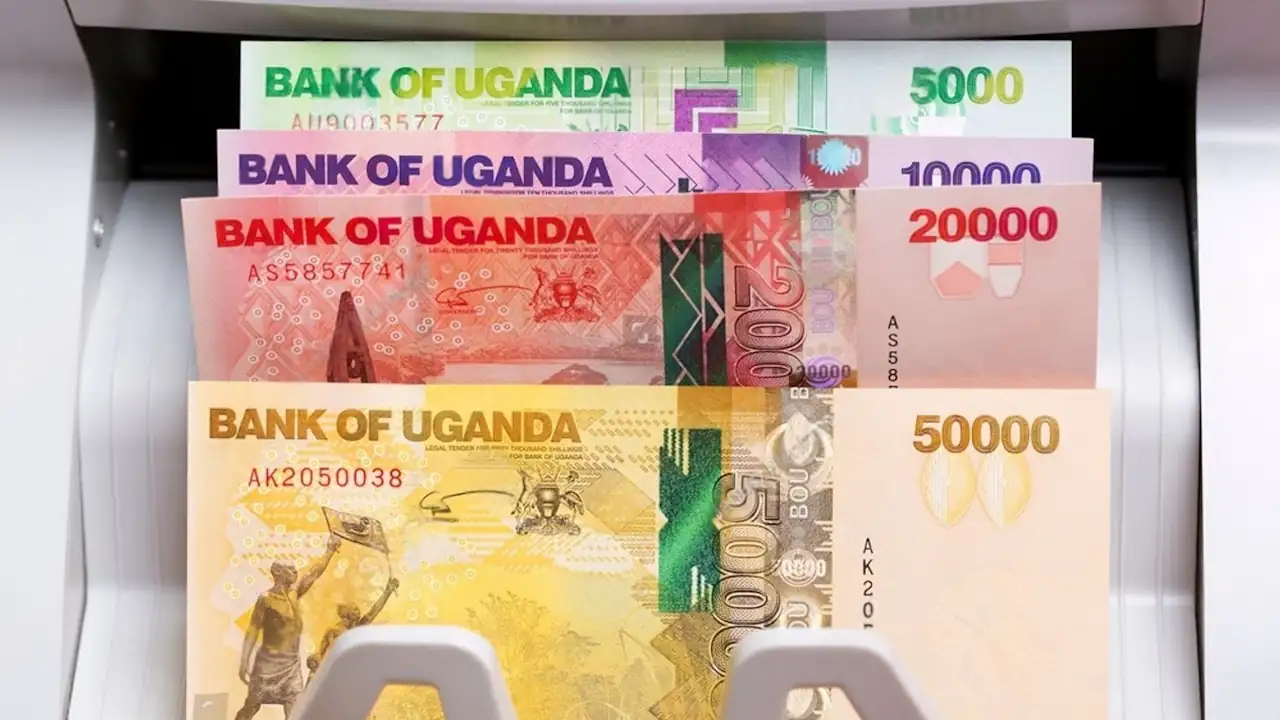
BoU turns to dollar sales as political warnings meet market pressure
Bank of Uganda sold foreign currency after rate rises failed to halt the shilling’s slide, despite warnings from Museveni and Ggoobi against using reserves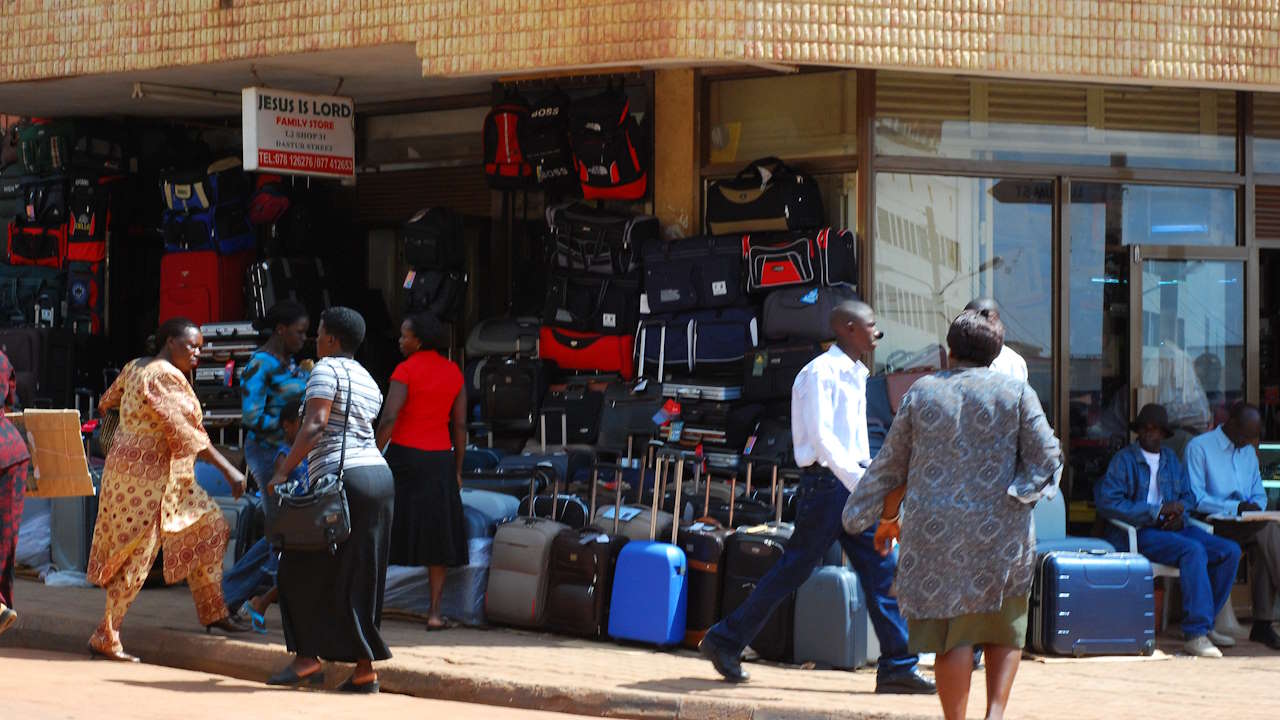
Shilling closes at record low a week after rate rise
Uganda’s shilling closed at Shs4,208.10 to the dollar, a record low, one week after the central bank raised its benchmark rate
Shilling surrenders rate-hike gains as the dollar returns
Uganda’s shilling erased Wednesday’s gains by Friday, with the dollar back above its opening level on the day of the Bank of Uganda’s rate increase
What the Bank of Uganda’s rise to 12 per cent means for the shilling, fuel and loans
How the Bank of Uganda's increase in its policy rate to 12 per cent could affect the shilling, pump prices, and existing loans and savings
Bank of Uganda raises benchmark rate to 12 per cent at special meeting
Uganda’s central bank lifted its rate to 12 per cent, the largest increase since 2011, and raised its inflation forecasts as the shilling weakened
Uganda ranks fourth in Absa’s markets index, held back by pensions and depth
Uganda is the only one of 26 African countries scored in both years to lose ground in Absa's financial markets index since 2022, as Kenya and Ghana close in
Shilling opens past Shs4,150 as Bloomberg reports offshore selling of bonds
The shilling has lost 12.8 per cent this year, and Absa and Alpha Capital Partners name offshore selling, corporate dollar demand and energy costsMore Bank of Uganda
Uganda unlikely to achieve middle income status by 2020, World Bank says
The World Bank says Uganda's economy must grow by 12% each year until 2020 if it is to achieve its goal of middle-income status by that time. But that is twice the growth rate it considers realistic for Uganda's GDP in the medium-term
10 things the World Bank says about Uganda’s economy
The World Bank on Tuesday released its eighth Uganda Economic Update outlining its view of the state of the economy, more than six months after it cut off funding over slow execution of projects. Here are 10 key messages from the report.
DFCU takes over Crane Bank
DFCU Bank has taken over Crane Bank, Bank of Uganda revealed today - three months after the troubled lender was placed under statutory management by the central bank.

BoU sees tough times ahead for banks, but confident on stability
The central bank is counting on tougher capital demands to mitigate potential risks to the financial system, following a stormy year for the banking sector during which the regulator took over management of one of the largest lenders.

Government chief executives should be paid in a uniform manner — COSASE
There are big discrepancies in the salaries of the chief executives of parastatals, authorities and commissions arising from the legal frameworks which set up the entities, according to a report passed by Parliament last week

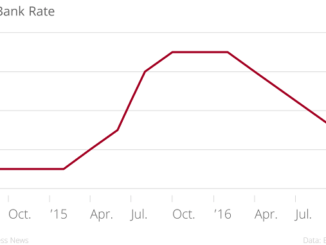
Bank of Uganda cuts benchmark interest rate to 12%
The Bank of Uganda on Wednesday lowered the central bank rate by 100 basis points from 13%, set in October, to 12%. The bank's monetary policy committee said the rise was necessary to "keep the domestic economic growth momentum."
Bank of Uganda governor expects “small rise” in GDP growth
The prospects for macroeconomic stability in the near to medium term are currently very good, according to the central bank governor. Economic growth in 2017 will be "close to the economy’s medium term potential growth of 5%," he said.
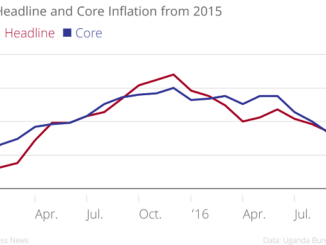
Food prices drive rise in headline inflation in November
Inflation for the year ended November 2016 rose to 4.6% from 4.1% the previous month, the first increase since July, while core inflation - a key measure targeted by the Bank of Uganda - rose for the second consecutive month to 5.2%.
Banks to face tougher capital demands as regulator calls for stricter lending standards
Banks will have to set aside higher levels of capital in 2017, with an additional surcharge for the three domestically systemically important banks, to protect against possible shocks, Emmanuel Tumusiime-Mutebile, the governor Bank of Uganda said on Friday.
IMF urges curb on government spending, praises BoU policy
Bank of Uganda's tight monetary policy has been successful in bringing down inflation to within target, the International Monetary Fund said on Tuesday. But it also raised concerns about high government spending and lower tax collections.