Bank of Uganda
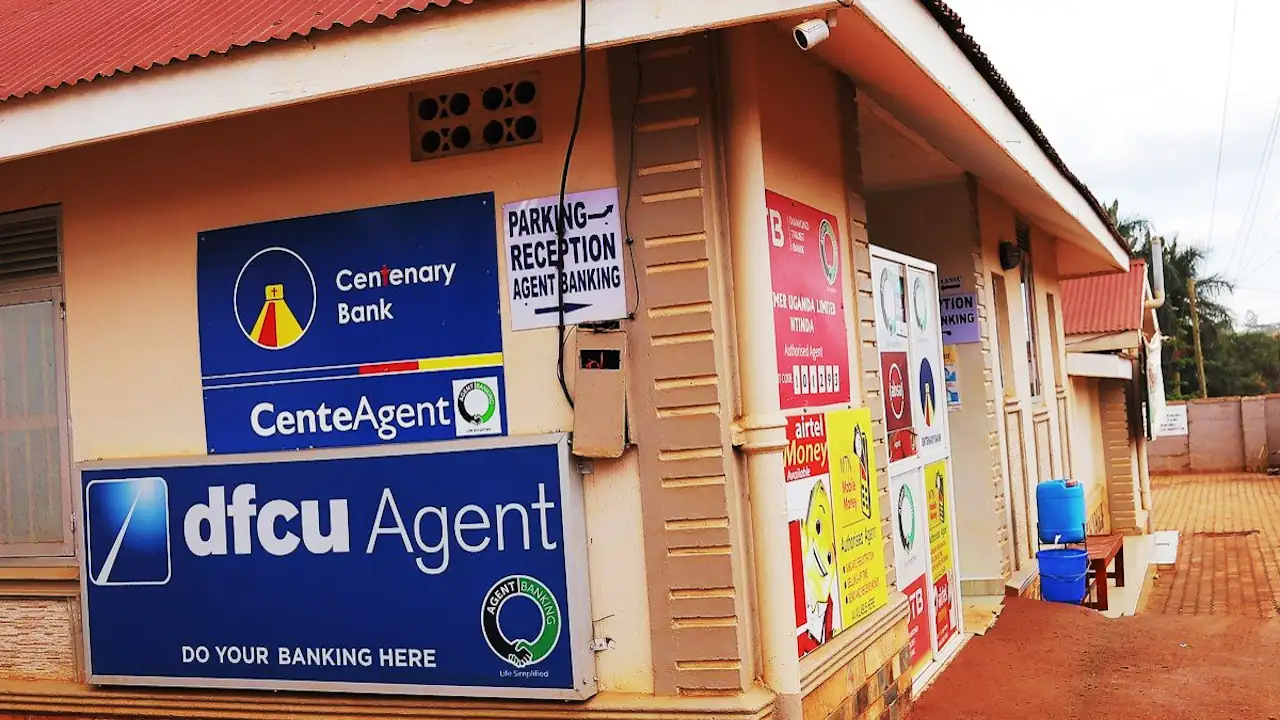
Shilling in now familiar territory with another record low
Uganda’s shilling reached another record low on Friday, a day after the central bank resumed selling foreign currency
EIB backing targets climate-risk rules at Ugandan banks
Uganda’s green taxonomy and existing climate-risk rules move closer to implementation under EIB Global support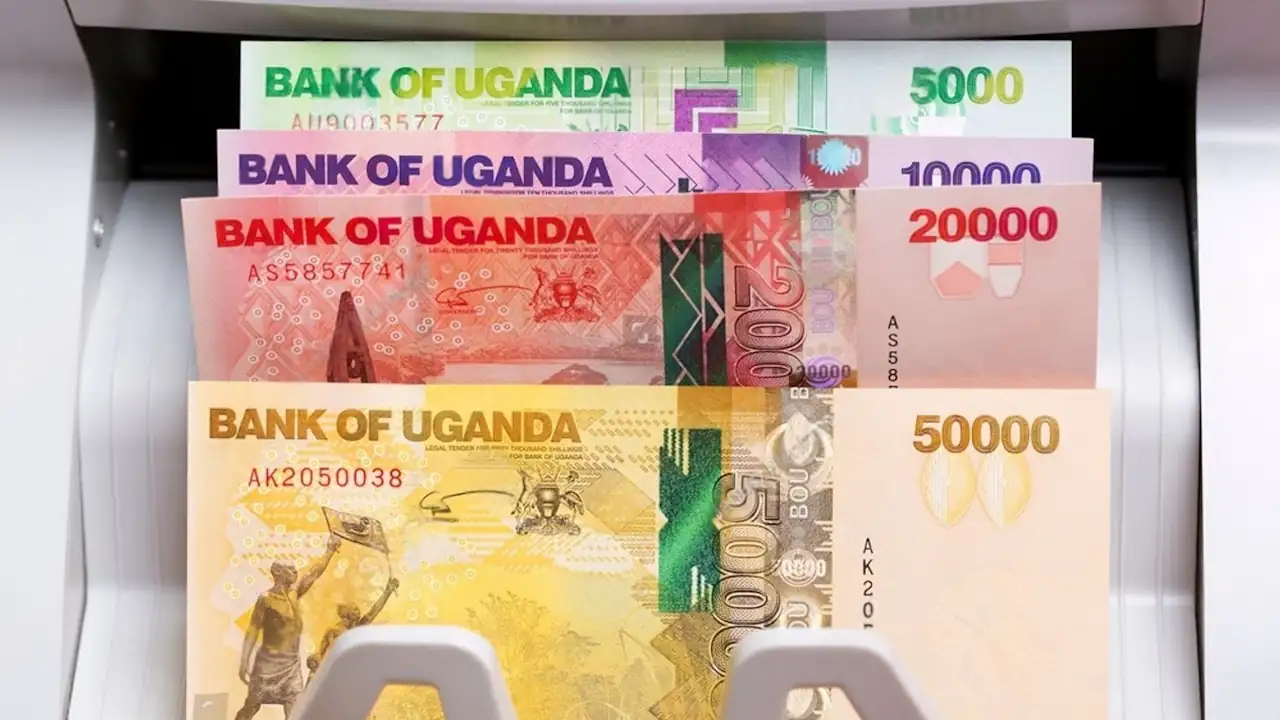
BoU turns to dollar sales as political warnings meet market pressure
Bank of Uganda sold foreign currency after rate rises failed to halt the shilling’s slide, despite warnings from Museveni and Ggoobi against using reserves
Shilling closes at record low a week after rate rise
Uganda’s shilling closed at Shs4,208.10 to the dollar, a record low, one week after the central bank raised its benchmark rate
Shilling surrenders rate-hike gains as the dollar returns
Uganda’s shilling erased Wednesday’s gains by Friday, with the dollar back above its opening level on the day of the Bank of Uganda’s rate increase
What the Bank of Uganda’s rise to 12 per cent means for the shilling, fuel and loans
How the Bank of Uganda's increase in its policy rate to 12 per cent could affect the shilling, pump prices, and existing loans and savings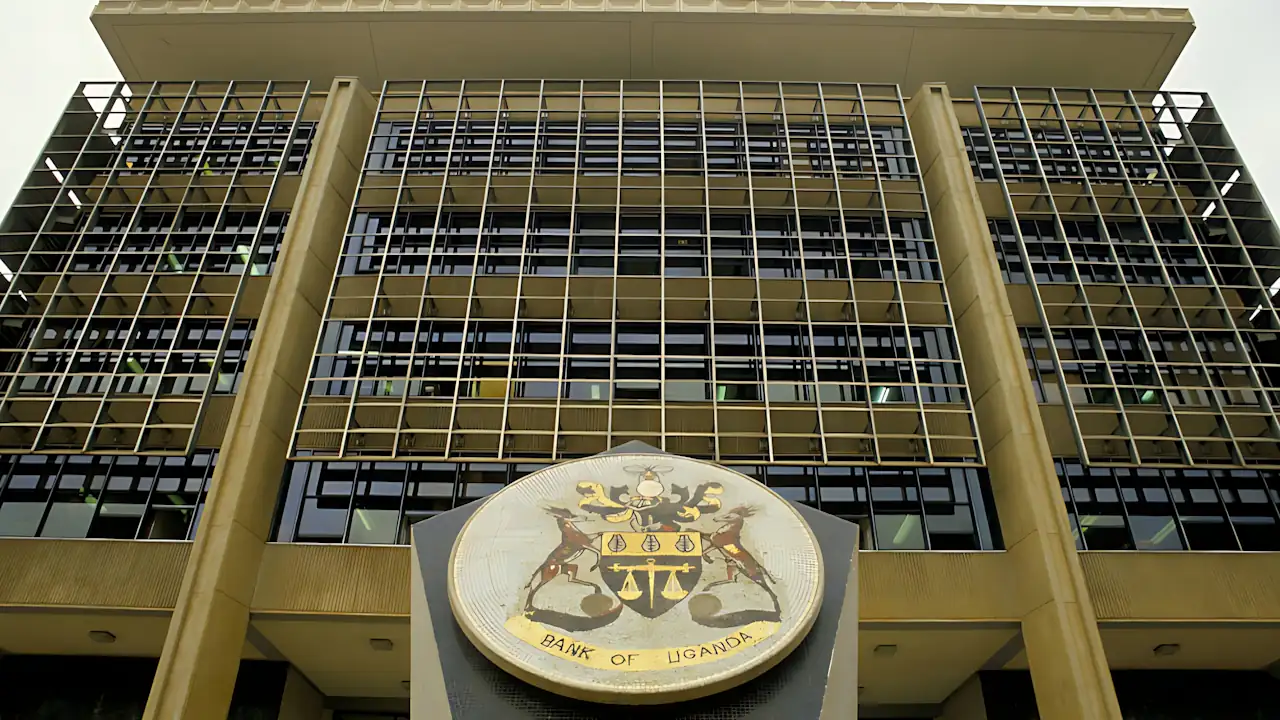
Bank of Uganda raises benchmark rate to 12 per cent at special meeting
Uganda’s central bank lifted its rate to 12 per cent, the largest increase since 2011, and raised its inflation forecasts as the shilling weakened
Uganda ranks fourth in Absa’s markets index, held back by pensions and depth
Uganda is the only one of 26 African countries scored in both years to lose ground in Absa's financial markets index since 2022, as Kenya and Ghana close in
Shilling opens past Shs4,150 as Bloomberg reports offshore selling of bonds
The shilling has lost 12.8 per cent this year, and Absa and Alpha Capital Partners name offshore selling, corporate dollar demand and energy costsMore Bank of Uganda
Financial sector is stable, Bank of Uganda says
The Central Bank released a statement on Monday disputing social media rumours on the state of the financial sector. Signed by the bank's director of communications, the statement says "the financial sector as a whole is stable, sound and resilient."

Crane Bank takeover — what you need to know, and implications
Bank of Uganda ended weeks of speculation about Crane Bank, announcing on Thursday that it is taking over management of the lender. Here is what you need to know about the central bank's move and what it means for Crane Bank and its customers.

Bank of Uganda takes over troubled Crane Bank, suspends management
Bank of Uganda has taken over the management of Crane Bank Limited, Emmanuel Tumusiime-Mutebile, governor of the central bank, told journalists at a hastily convened press conference on Thursday.
Bank of Uganda lowers key lending rate to 13%
Bank of Uganda has cut its benchmark lending rate by 100 basis points to 13%, saying its forecast of core inflation will remain around the medium-term target of 5% over the next 12 months and citing the need to support domestic economic growth.
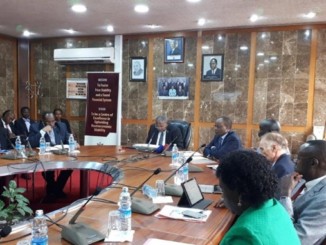
Social media message on Crane Bank inaccurate, says BoU (Updated)
"Guys, if you know anyone with money in Crane Bank, tell them to remove it... Within the next week," the message circulating on WhatsApp on Thursday morning said. It was signed: "Insider BoU." Bank of Uganda has denied the message.

The central bank’s stand against capping interest rates
The most vocal opposition to an interest rate cap law has not come from commercial banks, but from their regulator, the Bank of Uganda. The bank's core argument is that controlling interest rates would be moving away from economic liberalisation.
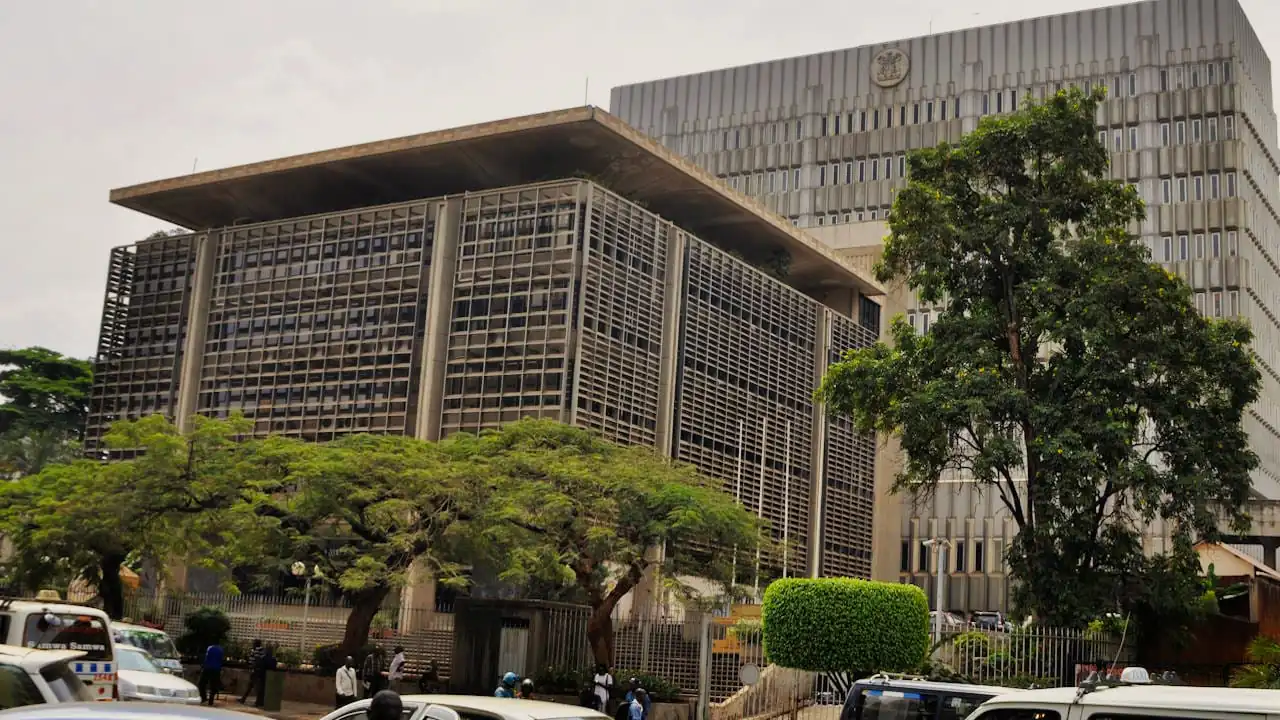
We have not approved Crane Bank sale – Bank of Uganda statement
Bank of Uganda has not received any request from Crane Bank to approve a change in shareholding. Should such a request be received, the proposed shareholders will be vetted for "fit and proper" credentials.

Bank of Uganda governor on central bank’s role in ensuring macroeconomic stability
To control core inflation, the Bank of Uganda takes a forward looking approach. This is because monetary policy operates with significant lags. A change in the interest rate today will not have its full impact on prices for at least one year ahead.
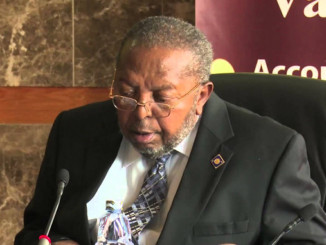
Bank of Uganda has not approved Crane Bank sale, official says
Bank of Uganda is not aware of Crane Bank's planned merger, and has not approved a sale of the bank, according to Benedict Sekabira, the director commercial banking at Bank of Uganda.
Economic integration prerequisite for E. African Monetary Union to work – BoU’s Louis Kasekende
Monetary unions potentially offer important benefits to economies which are closely integrated, but the problems experienced by some of the monetary unions already in existence around the world indicate that they also entail serious risks.