
Young people have been leading large-scale protests in two of Africa’s most influential countries, Kenya, and Nigeria. While many of the protesters’ demands are unlikely to be met, the demonstrations highlight the urgent need for fundamental reforms, not just in Kenya and Nigeria, but across Africa.
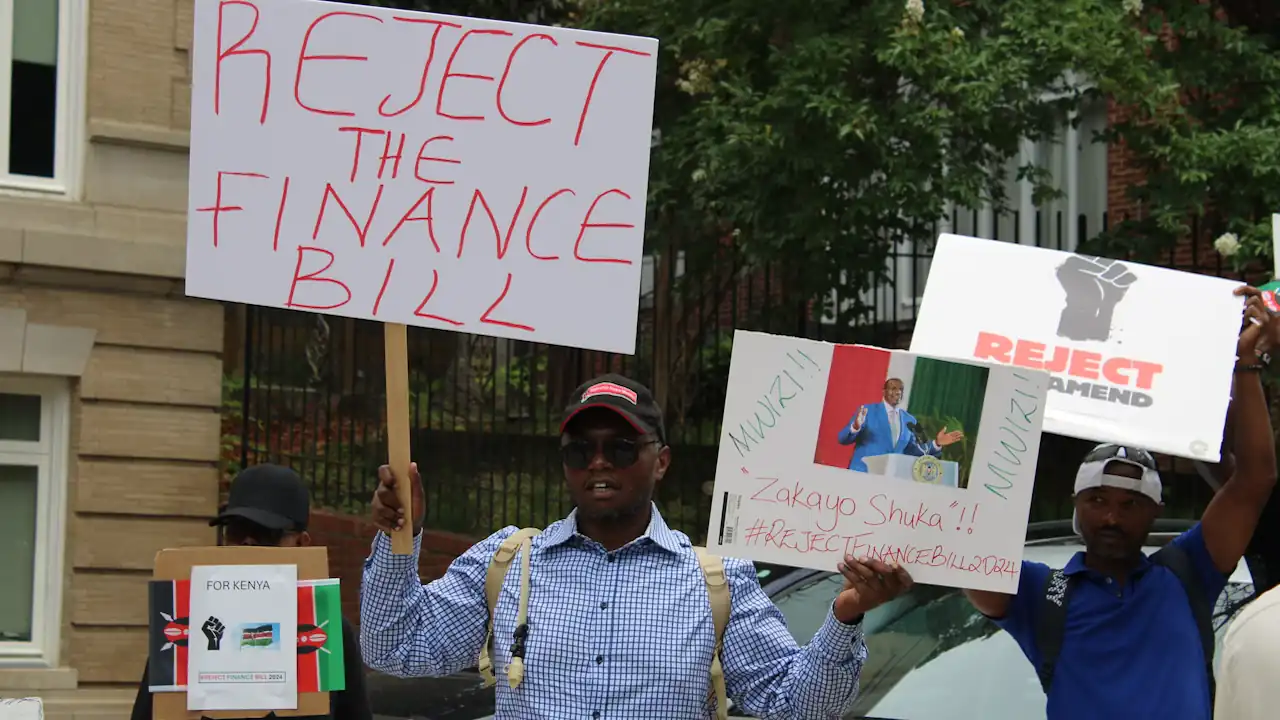
In Kenya, young people first took to the streets in June to execute “seven days of rage” – massive and largely peaceful protests against a proposed finance bill that would raise taxes on a wide range of goods and services at a time when the cost of living is soaring. Thousands stormed Kenya’s parliament, and President William Ruto deployed the military in a violent crackdown that left at least 39 dead and nearly 400 injured in the weeks that followed. More than 600 protesters were arrested.
Despite initially vowing to crush the protests, Ruto soon conceded that the people had spoken, withdrew the bill, and dissolved his cabinet. But the protests — including calls for Ruto’s resignation — continued, with young people demanding action to address deep-seated problems such as government corruption, mismanagement of public funds, and inadequate checks on the executive’s power.
The Kenyan protests inspired young Nigerians, who announced ten days of anti-government protests in August. Their grievances are also largely linked to the economy and poor governance. Fuel costs rose exponentially after President Bola Tinubu scrapped a long-standing subsidy last year. And the naira’s value plummeted after the central bank’s decision to allow market forces alone to determine the exchange rate.
Now ordinary Nigerians — already facing high unemployment — are being crushed by inflation and food and power shortages. But as in Kenya, their attempts to be heard have been met with state violence — more than 20 people have died and hundreds more have been arrested — and curfews, even as political leaders have pay lip service to their demands.
The problems driving the recent protests are hardly confined to Nigeria and Kenya. High unemployment is taking its toll on educated urban youth in many parts of Africa. In addition, many leaders across the continent are implementing economic reforms that disproportionately burden ordinary citizens, while elected officials continue to enjoy extravagant lifestyles. Many African countries have records of human rights abuses that go unpunished. Achieving a more stable and prosperous future for Africa will require action in all these areas.
Start with the prevailing approach to economic reform. Both Ruto and Tinubu would argue that their controversial policy proposals are in the best interests of their countries. Ruto’s finance bill was designed to reduce the budget deficit, curb public debt and satisfy lenders such as the International Monetary Fund (which halted funding to Kenya after the bill was withdrawn). Similarly, Tinubu’s decision to end fuel subsidies was designed to ease pressure on public finances, while the change in the exchange rate regime was intended to stabilise the economy and attract investment.
But implementing austerity measures without taking into account people’s ability to cope shows a lack of empathy — even contempt. If the terms of a loan agreement are too onerous, it is up to the government to renegotiate them. Technocrats and responsible politicians must signal to the IMF that demanding reforms that take an excessive toll on ordinary people leaves countries vulnerable to unrest and undermines the Fund’s legitimacy — and that of other international institutions — as a partner of African countries.
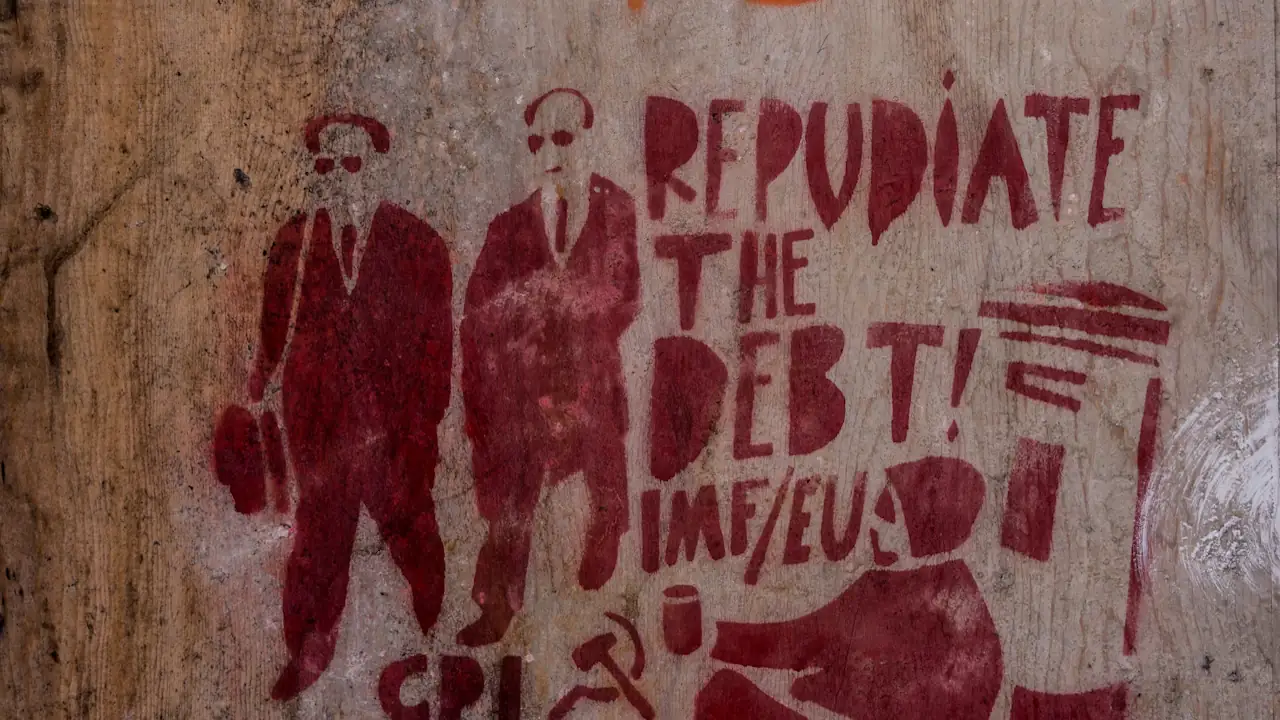
In any case, if African governments are serious about reducing deficits and debt, they should look inwards first. Elected officials in Kenya and Nigeria are not only among the highest paid in the world; they also benefit substantially from “constituency development funds” — essentially slush funds for politicians. Kenya’s government is particularly bloated.
Curbing such spending is urgent and would be a powerful gesture of goodwill to young people. A radical increase in transparency — showing how public money is spent at the national and sub-national levels, and making it easier for citizens’ groups to track this spending — would also help. Public commitments, such as the Open Government Partnership, are a good first step, but only if they are quickly followed by action. All these efforts are prerequisites for reducing corruption.
A third piece of the reform puzzle is ending impunity for state violence. The recent crackdowns are, after all, nothing new in Africa. In Nigeria, the 2020 protests against police brutality were met with yet more violence by security agents, who have not been held to account. Last year’s cost-of-living protests in Kenya were also met with violence for which no one has been held accountable. Similar stories can be told about many other African countries, where repression is often widespread.
Ending such impunity is an essential first step in building a peaceful and prosperous civic order. Accountability should begin with those who directly perpetrate the violence, whether police or military, but must also extend to those in command. When protests break out, the government must engage with the demonstrators and find credible ways to respond to their demands. Arrests should only be made when actual crimes have been committed, and the accused must receive speedy and fair trials.
Despite the violent crackdowns, Kenyan youth are still protesting, and their Nigerian counterparts have vowed to return to the streets if their demands are not met. Other countries, such as Uganda, are also facing anti-government and anti-corruption protest movements. As long as governments resort to repressive tactics rather than meaningful reform, such upheavals will continue.
Kehinde A. Togun, Managing Director for Public Engagement at Humanity United, is a non-resident fellow at the Centre for Democracy and Development and a member of the board of Partners West Africa Nigeria.
Copyright: Project Syndicate, 2024.
www.project-syndicate.org