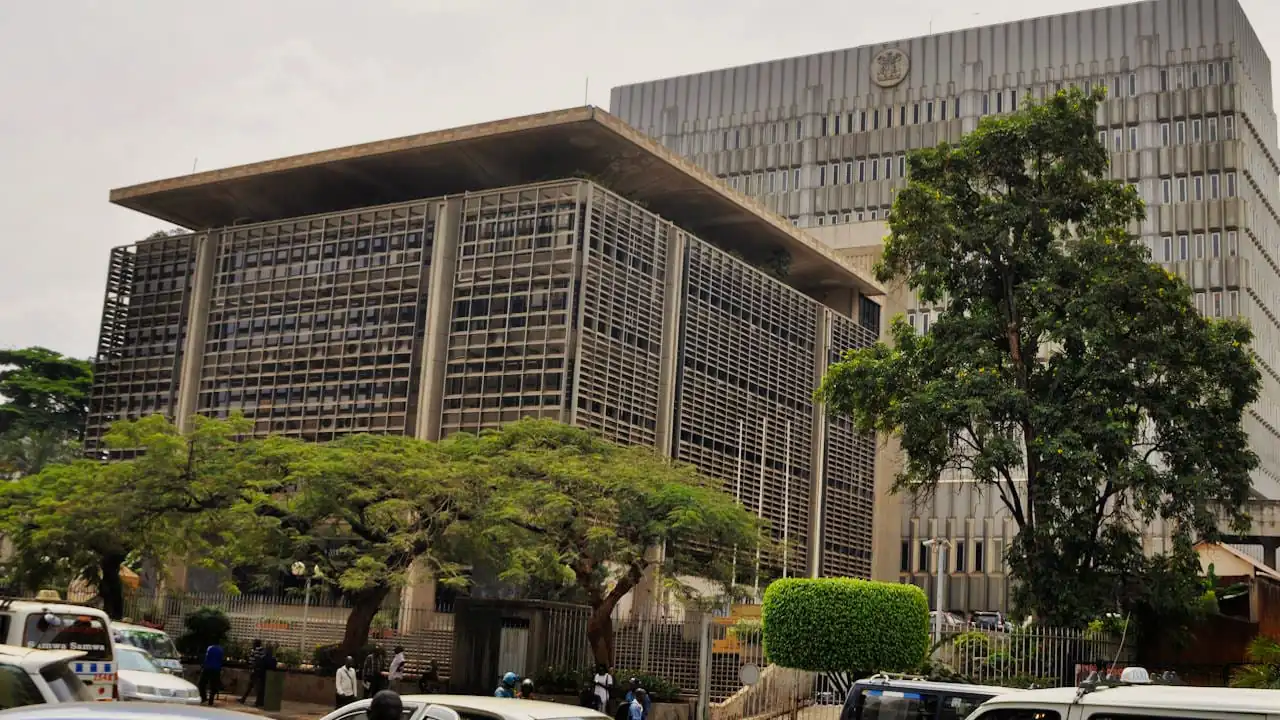
On 10 November 2025, the Bank of Uganda’s Monetary Policy Committee voted to maintain the Central Bank Rate at 9.75 per cent. This decision reflects confidence in the improving domestic economic environment, while also acknowledging ongoing risks in the global economy.
Inflation has remained subdued, supported by prudent monetary policy, a stronger exchange rate, and favourable energy prices. Over the past 12 months, annual headline inflation averaged 3.6 per cent, while core inflation averaged 3.9 per cent, both remaining below the medium-term target of 5 per cent.
In October 2025, year-on-year headline inflation fell from 4 per cent in September to 3.4 per cent, driven by declines in core and food crops inflation. Core inflation eased from 4 per cent to 3.4 per cent, reflecting lower inflation in education, accommodation services, and other goods. Food crops inflation moderated to 6.1 per cent from 7.4 per cent, supported by favourable weather conditions. In contrast, energy, fuel and utilities inflation rose marginally to 0.1 per cent from -0.1 per cent due to slight increases in the prices of liquid fuels.
The inflation outlook has been revised slightly downward relative to the August 2025 forecast. Core inflation is now projected to range between 4 per cent and 4.5 per cent, compared to 4.5 per cent and 4.8 per cent in the previous forecast for FY2025/26, which remains below the 5 per cent target over the next 12 months. This revision reflects an appreciating exchange rate and a supportive external environment amid easing global inflation.
Read: Stronger currencies ease inflation pressures across sub-Saharan Africa
The overall outlook remains broadly balanced, shaped by both upside and downside risks.
Upside risks include:
- Heightened geopolitical tensions that could disrupt global energy and food supply chains
- Adverse weather conditions that constrain agricultural output
- Exchange rate pressures from weaker capital inflows or delayed oil revenues.
Additionally, stronger domestic demand, particularly from public investment, could intensify core inflationary pressures.
Downside risks include:
- Continued capital inflows related to oil sector developments
- Favourable weather conditions enhancing food supply
- Easing global monetary conditions that could lower imported inflation.
Overall, the inflation outlook remains balanced, with core inflation expected to stay close to the medium-term target.
GDP growth reached 6.3 per cent in FY2024/25, up from 6.1 per cent in the previous year, supported by improvements in agricultural and industrial activities. On the expenditure side, growth was driven by increased consumption and investment. High-frequency indicators suggest continued confidence in the economic environment in FY2025/26.
The economy is projected to expand by 6.5–7 per cent in FY2025/26, rising to an average of around 8 per cent in the medium term. This reflects sustained economic resilience, underpinned by a slight improvement in global growth and prudent monetary policy and targeted fiscal measures that have preserved macroeconomic stability and reinforced investor confidence.
Growth is also being supported by the ongoing implementation of the Tenfold Growth Strategy, which is unlocking opportunities in agriculture, infrastructure, and the extractive industries. Indeed, a major global credit rating agency recently revised its outlook for Uganda to positive from stable because the economy continues to exhibit stronger momentum compared to her peers.
Despite the favourable outlook, several challenges persist, especially on the global scene. Rising trade barriers, tight global financial conditions, weakened business and consumer confidence, and elevated policy uncertainty could weigh on global and domestic growth.
Nevertheless, optimism remains. Large-scale infrastructure investments and sustained private investment are expected to boost growth. Faster disinflation and easing global interest rates could also improve financial conditions and stimulate domestic activity. While risks remain marginally tilted to the downside, the medium-term outlook is positive, with Uganda well-positioned to sustain robust growth through strategic reforms, enhanced resilience, and expanding sectoral opportunities.
Although the domestic macroeconomic environment continues to strengthen, the MPC is cautious of both global and domestic uncertainties that could affect the near-term outlook. Consequently, the Central Bank Rate has been maintained at 9.75 per cent.
This decision underscores the BoU’s commitment to safeguarding price stability and containing inflation while supporting sustainable economic growth in a dynamic macroeconomic environment. The CBR band remains at ±2 percentage points, with the rediscount and bank rates set at 3 and 4 percentage points above the CBR respectively. This results in rediscount and bank rates of 12.75 per cent and 13.75 per cent respectively.
The MPC considers the current CBR level appropriate for maintaining inflation around the medium-term target of 5 per cent, while supporting economic growth and socio-economic transformation. Any future adjustments to the policy rate will be guided by incoming data and continuous assessment of the evolving domestic and global risk environment.