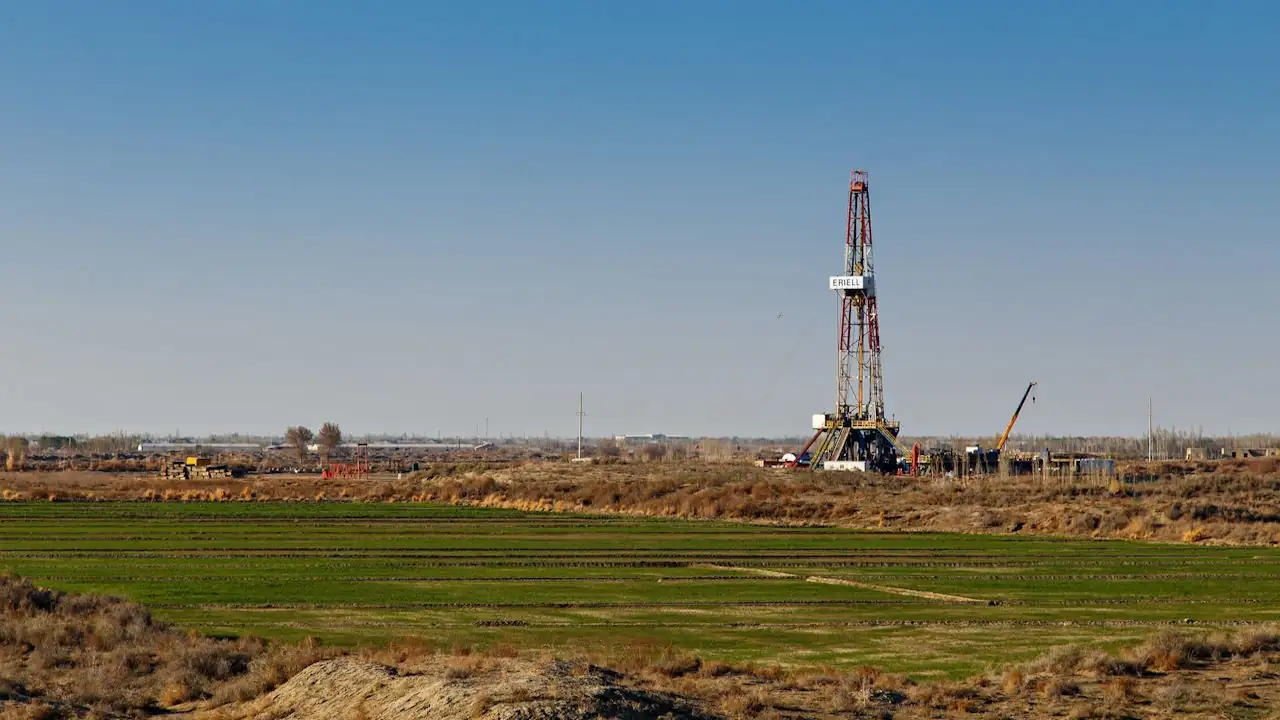
When crude oil finally flows from Uganda’s Albertine Graben fields, expected sometime in the second half of this year, it will mark the end of one of East Africa’s longer-running economic countdowns. Exports will follow via the East African Crude Oil Pipeline, and with them, the start of what forecasters expect to be a sustained uplift in growth.
The question is whether the chapter will open cleanly.
According to BMI, a subsidiary of Fitch Solutions, Uganda’s real GDP growth reached 6.7 per cent in 2025 — above the firm’s earlier estimate of 6.3 per cent — and is expected to rise modestly to 6.9 per cent this year. The stronger-than-expected outturn was broad-based: construction, logistics, and mining all performed well, underpinned by substantial capital investment and elevated global gold prices. In the final quarter of 2025, the economy expanded by 8.5 per cent year on year, the fastest pace since mid-2022.
That momentum appears to have carried into early 2026. The Bank of Uganda’s Business Tendency Index rose to 58.7 in February, comfortably above the 50-point threshold indicating net positive sentiment, with manufacturing, wholesale trade, agriculture, and financial services all in expansionary territory. High-frequency activity data for January pointed in the same direction.
But the headline figures conceal a more complicated picture. The construction sector has registered net negative sentiment for four consecutive months, a signal, BMI argues, of major hydrocarbon infrastructure projects winding down ahead of first oil. Fixed investment, which contributed substantially to growth over the past two years, will slow markedly as those projects reach completion. The growth baton must now pass to exports.
The case for optimism rests on a straightforward sequence: crude output ramps up, exports commence via the pipeline, and net trade improves sharply, providing a strong boost to GDP even as domestic investment cools. BMI projects headline real GDP growth of 8.1 per cent in 2027, when the full effect of oil exports is expected to feed through.
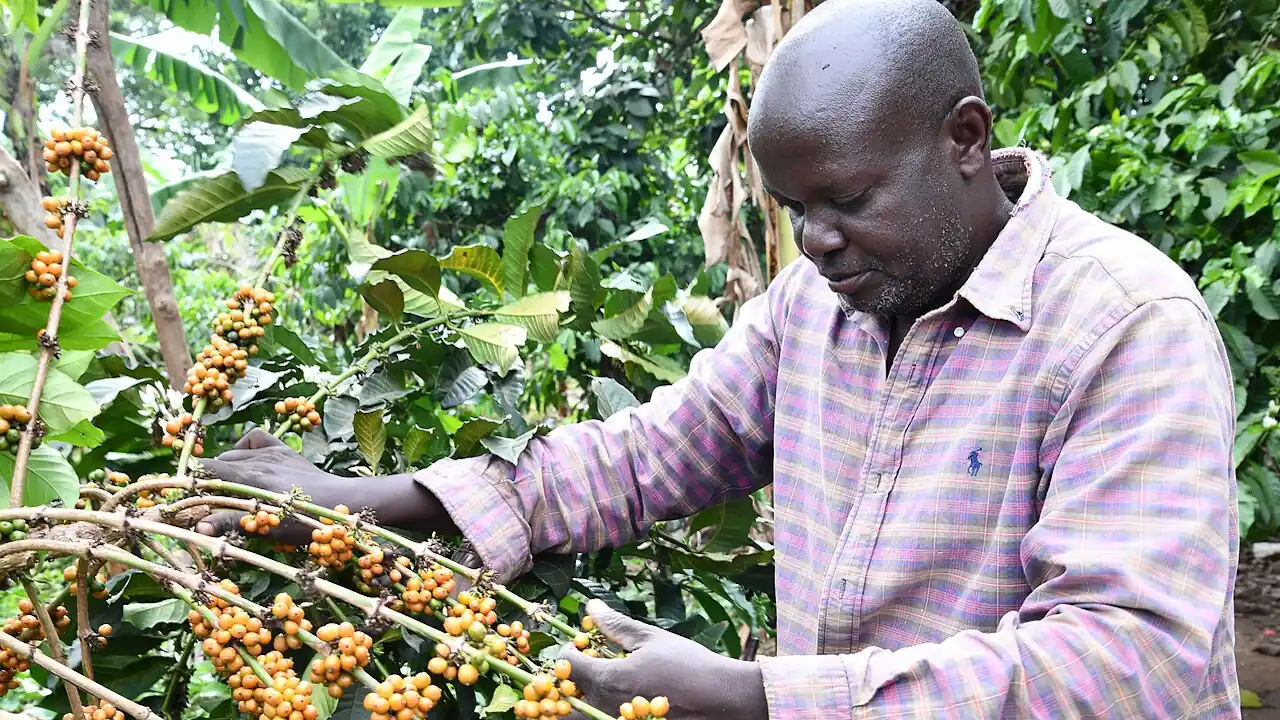
The picture for 2026 is rather more qualified. Uganda will remain a net importer of hydrocarbons this year, still dependent on refined fuel purchases even as it begins selling crude. That structural asymmetry limits near-term gains and means the more substantial growth uplift is pushed into next year. Traditional exports, such as coffee, for which BMI forecasts a 1.9 per cent increase in production, and gold, supported by elevated global prices, will provide some support in the interim.
The IMF, whose Executive Board concluded a post-financing assessment with Uganda in January, is broadly aligned with this trajectory. It projects real GDP growth of 6.2 per cent in the current fiscal year, accelerating to 9.4 per cent in FY2026/27, a sharper increase than BMI’s estimate, reflecting the Fund’s assumption of a greater contribution from oil. The IMF also expects the current account deficit to narrow considerably, from 6.1 per cent of GDP in FY2024/25 to 3.1 per cent the following year, as export receipts rise.
The more sobering thread running through both assessments concerns public finances. Uganda’s overall budget deficit widened to 6 per cent of GDP in FY2024/25, up from 4.7 per cent the previous year, while public debt reached 52.4 per cent of GDP. Government spending grew at an average of 26 per cent annually over 2024 and 2025, a considerably more expansionary approach than that of regional peers, according to BMI.
Interest payments now consume a rising share of total expenditure, crowding out spending on wages, public investment, and services. The IMF’s assessment explicitly flags fiscal vulnerabilities, noting that while public debt remains sustainable, it faces risks from domestic financing pressures and weaknesses in the budgetary process. In late 2025, Uganda was in discussions with the Fund regarding a new financing facility, which would most likely come with fiscal conditionalities.
BMI expects authorities to tighten spending following the January 2026 election, with the new national budget — covering the fiscal year from July — likely to mark a meaningful deceleration in expenditure growth. The IMF has called for faster fiscal consolidation through revenue mobilisation and a review of current spending, with a focus on improving tax administration, expanding the tax base, and strengthening public financial management to reduce the need for frequent in-year spending adjustments.
The implementation of oil revenue frameworks, designed to manage and protect inflows once production begins, is, the Fund notes, important to preserving fiscal discipline through the transition. It is an area where the temptations of a newly producing state are well-documented.
Into this already delicate picture, the outbreak of hostilities between the United States and Iran has introduced a further variable, one that cuts in two directions simultaneously.
Read: Uganda faces higher fuel costs as US-Iran war roils oil markets
In the near term, the conflict is unhelpful. Uganda is entirely dependent on imported fuel, so higher global oil prices directly impact the trade balance, inflationary pressures, and shilling weakness. BMI projects that headline inflation will rise to 4.9 per cent in 2026, up from 3.6 per cent last year, citing currency weakness and higher energy costs driven by the war in the Middle East.
The Bank of Uganda is expected to begin a modest easing cycle from the second quarter of this year. But BMI is clear that the cycle will be shallow by regional standards, with borrowing costs likely to remain high and thus constrain private consumption and limit the pace of any demand-driven recovery.
Overall, the risks to BMI’s growth projections are tilted to the downside. In a worst-case scenario, the conflict persists well beyond the few weeks BMI assumes as its baseline, while the completion of key projects, EACOP in particular, would be delayed, pushing back the start of oil production. Were both to occur simultaneously, there could be severe pressure on the external account and the shilling. The Bank of Uganda might then have to keep interest rates higher for longer, with further knock-on effects for domestic demand.
There is a version of 2026 in which things align reasonably well: oil flows in the second half of the year, the Middle East conflict resolves without extended escalation, and an IMF arrangement provides a fiscal anchor that reassures investors and keeps the shilling from deteriorating further. In that scenario, BMI’s growth forecast of 6.9 per cent appears achievable, as does the prospect of reaching 8.1 per cent by 2027.
Uganda has waited a long time for its oil moment. The economics, when it arrives, are compelling. However, getting there on time with the pipeline ready, the fiscal accounts in order and a cooperative global backdrop is a rather more demanding proposition.