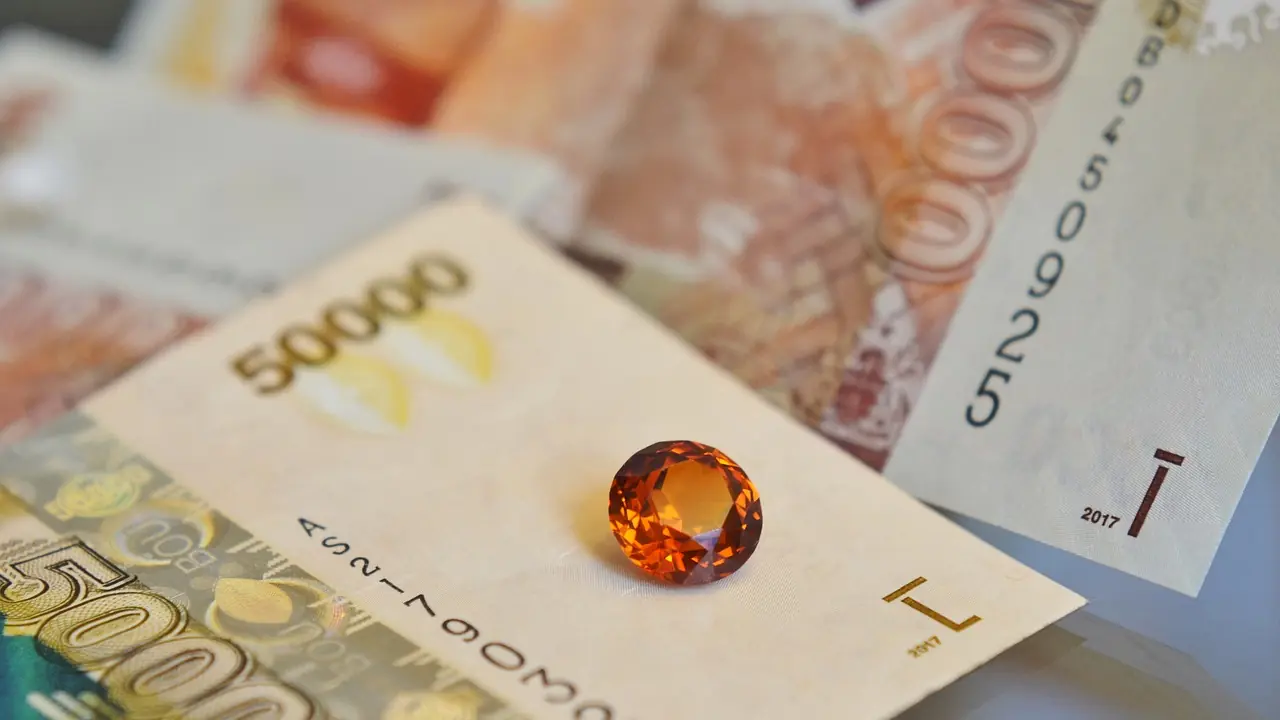


The shilling opened on Tuesday at Shs4,152.86 to the dollar, above the Shs4,150 level that an asset manager called its “next testing point”, as Bloomberg reports offshore investors trimming their holdings of Ugandan bonds.
Why it matters: Bloomberg ties the fall of more than 10 per cent since 25 August, the steepest of the 144 currencies it tracks, to foreign selling. The only estimate of that selling so far is Citigroup’s.
Driving the news: Citigroup estimates that about $200mn (about Shs830bn) has left Uganda’s markets in two weeks. Stephen Kaboyo, managing director of Alpha Capital Partners, the Kampala asset manager, said US yields were a factor in the outflows and that last week’s debt auction drew mostly local banks and pension funds.
Bloomberg put the shilling at 4,143 at 5:06pm London time on Monday, its weakest since at least 1993, when the agency began tracking it.
Zoom in:
- At the opening rate, the shilling is 5.5 per cent weaker than at the Bank of Uganda’s close on 1 October and 12.8 per cent weaker than at the end of 2025.
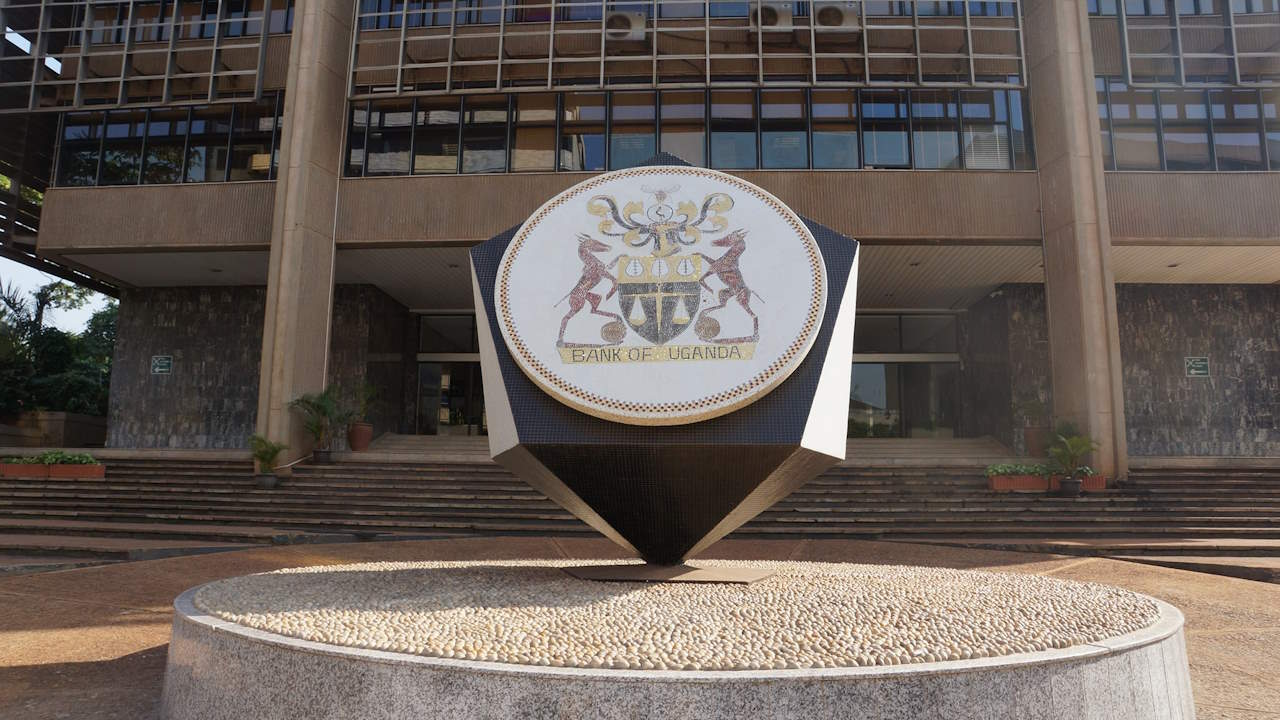
- Bank of Uganda data on foreign holdings run to June. Non-residents held $2.7bn of government debt then and were still net buyers in April to June. By our calculations, Citigroup’s estimate would be about 7 per cent of that stock, though it covers Uganda’s markets and not only government debt.
- Bank of Uganda data put gross reserves at $6.52bn in August, enough for 3.6 months of imports excluding oil-project imports, and lower than in June. The bank does not announce its dollar sales, so how much of the cushion it is using is not public.
- JPMorgan, which puts the local bond market at $9.4bn, said last month that it will track nine Ugandan bonds in a new frontier-markets index.
What they’re saying: President Yoweri Museveni said on 9 October that he was “totally against” a proposal from the central bank governor to use reserves to counter the fall, as quoted by local media. The central bank has said it does not plan direct dollar sales. Ethiopia said last week it plans to spend a further $840mn this year on the birr, Bloomberg reported.
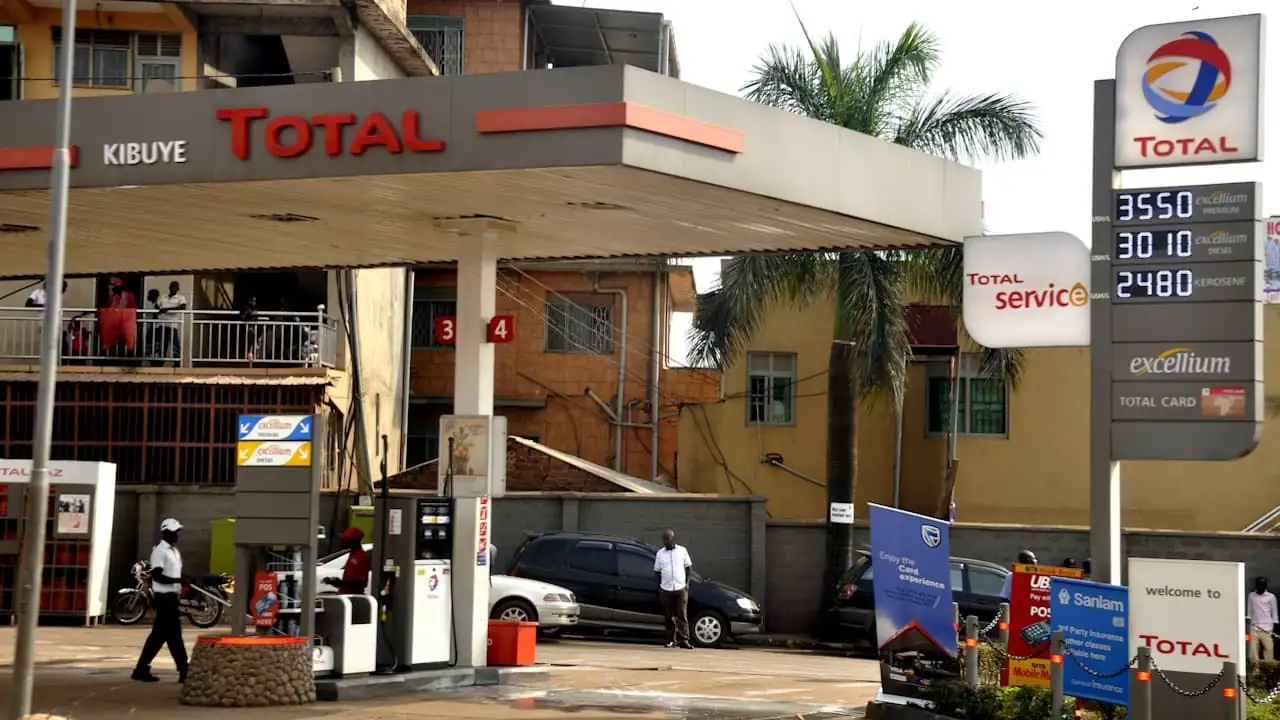
Between the lines: Kaboyo also blamed corporate demand for dollars and higher energy costs linked to the Middle East conflict. Absa said last week that dollar demand came from importers in energy, manufacturing and telecoms, and from offshore investors who had trimmed holdings of Ugandan debt or covered them with dollar purchases. The central bank did not respond to Bloomberg’s request for data on foreign holdings.
Reality check: Bloomberg’s 4,143 and the central bank’s 4,152.86 come from different sources at different times of day, so the gap between them does not measure the day’s move.
($1 = Shs4,152.86, the Bank of Uganda’s opening mid-rate on 13 October)