
NIC Holdings, the listed insurer being bought by Cornerstone Asset Managers, swung to an underwriting loss of Shs2.5bn in the first half of 2026 as insurance revenue fell 15.9 per cent.
The insurance service result compares with a profit of Shs285.9mn a year earlier, according to unaudited results released on the Uganda Securities Exchange (USE) on Wednesday. Revenue dropped to Shs13.8bn from Shs16.5bn. Insurance service expenses rose 13.6 per cent to Shs14.9bn, exceeding revenue.
The net loss narrowed to Shs417.9mn ($114,034) from Shs1.1bn, helped by the absence of a one-off charge. In the first half of 2025 NIC booked a Shs2.7bn loss on the sale of an investment property, Plot 13B on Kampala Road; excluding that charge, it would have made a pre-tax profit of about Shs1.6bn.
The company attributed the loss to “low business volume in the period under review and a higher expense ratio” in a profit warning dated 21 September and released with the results. The board approved the accounts on 15 September.
NIC said lower gross written premium and the unwinding of prior-year premium reserves under IFRS 17, the insurance accounting standard, drove the fall in revenue. Its general insurance arm lost Shs1.8bn on underwriting and its life arm Shs1.2bn. Net investment and finance income rose 6.3 per cent to Shs2.5bn, which kept the pre-tax loss to Shs646mn.
Returns filed with the Insurance Regulatory Authority (IRA) show NIC shrinking in a growing market. Industry premiums rose 7.7 per cent to Shs1.1tn in the half. NIC General’s gross written premium fell 10 per cent to Shs10.2bn, leaving it 14th of 19 non-life insurers with a 1.8 per cent share.
Total non-life premiums fell 7.1 per cent, which the IRA attributes to Jubilee Health’s business moving into Jubilee Life after a merger. Most of NIC General’s rivals grew; only five others reported lower premiums.
Management expenses at NIC General equalled 67.4 per cent of its gross written premium, the highest ratio among non-life insurers and more than three times the segment’s 19 per cent. Its claims absorbed 29.6 per cent of net earned premium, against 46.7 per cent for the segment as a whole.
NIC Life raised premiums 42.6 per cent to Shs908.1mn, ahead of the 30 per cent growth in life business, but still ranks last of nine life insurers. Its expenses exceeded its premiums.
NIC Life’s capital adequacy ratio stood at 136 per cent at the end of 2025, below the 200 per cent regulatory minimum, a shortfall auditor BDO East Africa highlighted in the annual accounts. The group injected Shs4.1bn into NIC Life in 2025, financed mainly through asset sales, and NIC General also lent it Shs1.5bn at 18 per cent, due on 30 June 2026.
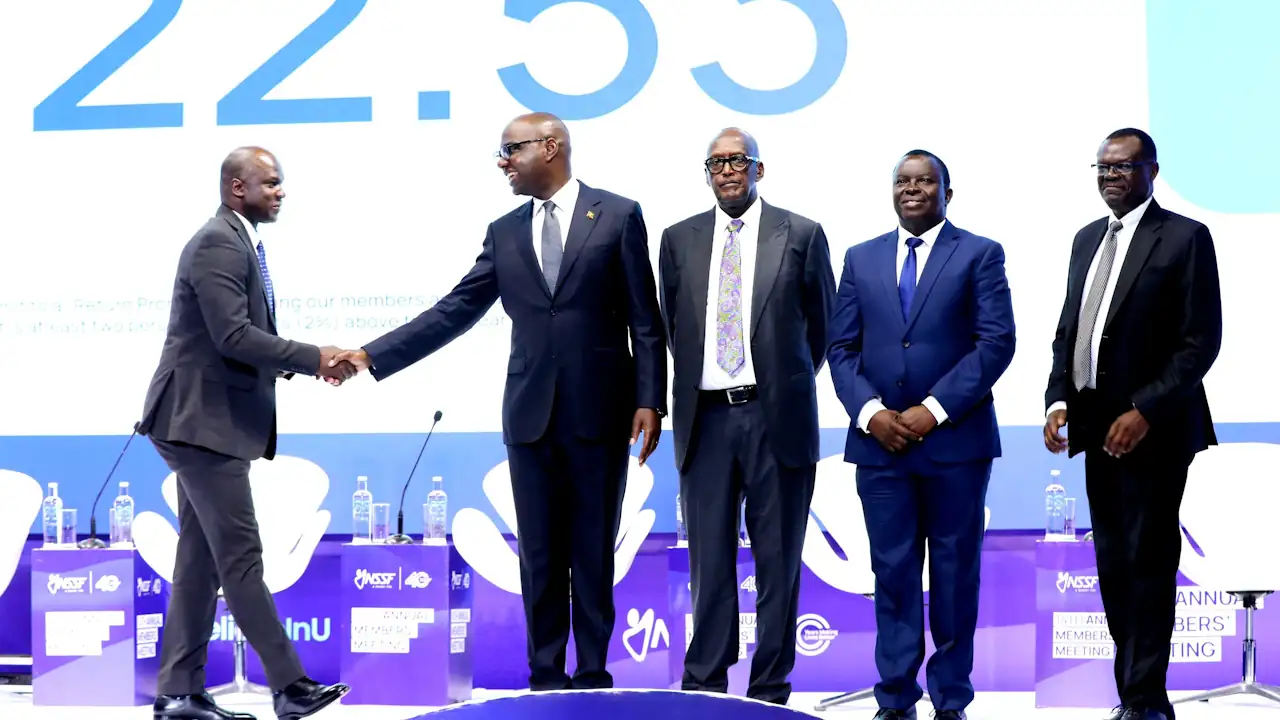
The results are the first since Nigeria’s Industrial and General Insurance (IGI), which has controlled NIC since its privatisation in 2005, agreed to sell its stake of nearly 65 per cent to Cornerstone, a Kampala fund manager licensed by the Capital Markets Authority (CMA) in December 2024. The deal needs final approval from the CMA, the IRA and the USE, according to NIC, and would take Cornerstone’s holding to about 73 per cent, New Vision reported.
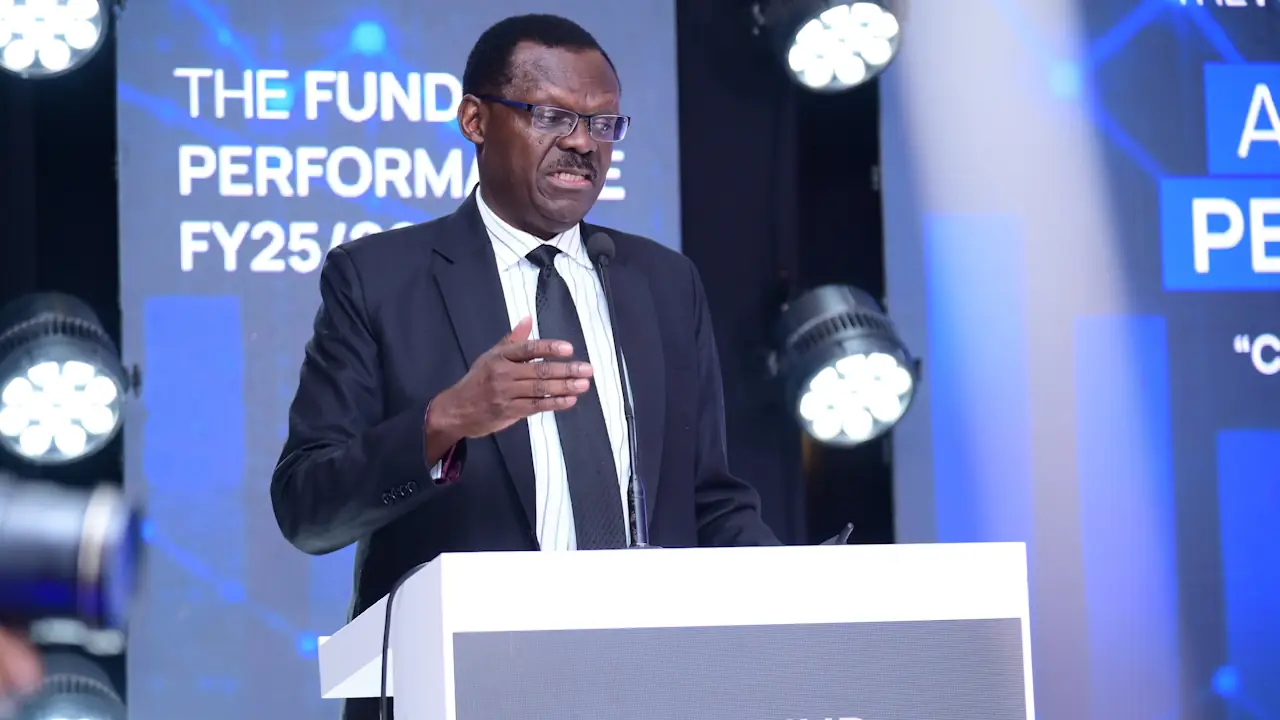
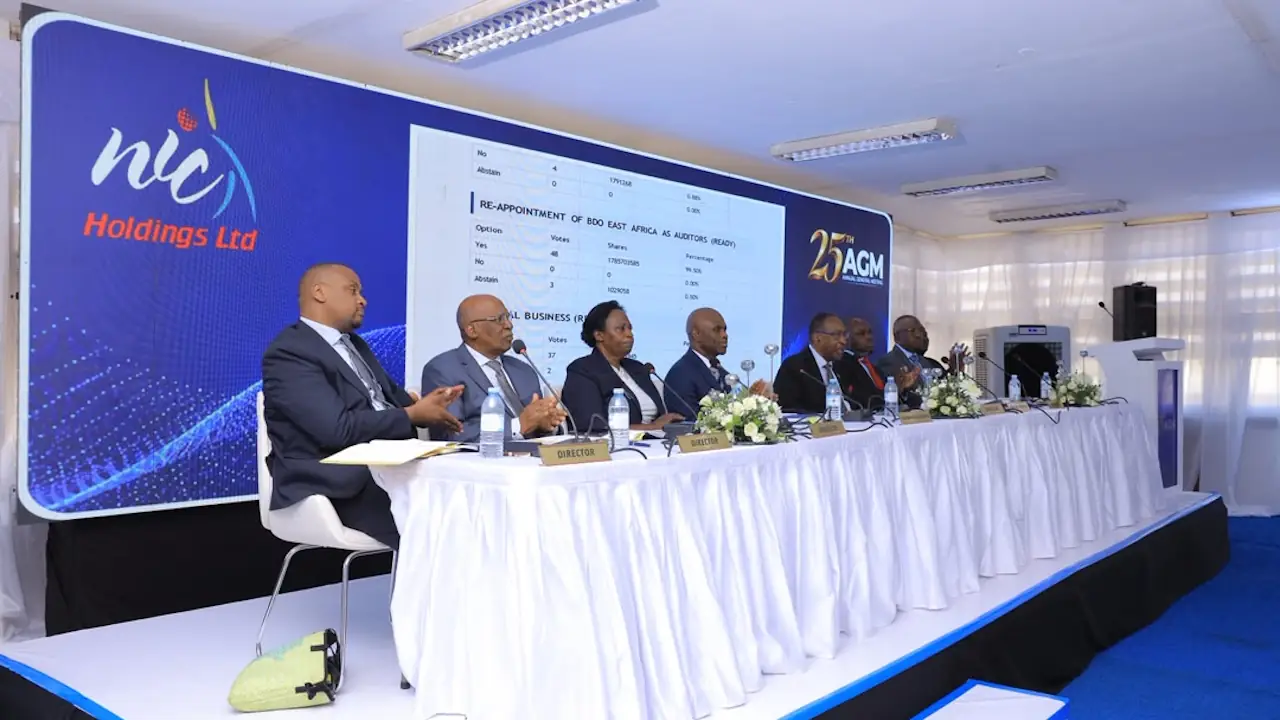
Simon Mwebaze, Cornerstone’s founder, and Samuel Sejjaaka, an accountant, joined NIC’s board on 1 July in place of IGI’s nominees. Shareholders confirmed Dan Musiime as chief executive at the annual meeting on 31 July, where the incoming owners said they would invest Shs50bn in technology and property, according to New Vision.
The company’s shares have more than tripled this year. NIC closed at Shs17.6 on Wednesday, up from Shs5 at the end of 2025, a rise of 252 per cent. That values the group at Shs37.4bn, just below its net assets of Shs40bn.
In the whole of July, only 32,889 NIC shares changed hands, for Shs200,793, according to the USE, and none traded on Wednesday. The price Cornerstone is paying IGI has not been disclosed.
The warning is NIC’s third in under three years. It warned on its 2023 results in February 2024 and again on its 2025 accounts. NIC has also yet to launch a rights issue that shareholders authorised in July 2022 to lift paid-up capital to as much as Shs30.2bn. The company blames delays to its 2023 audit, its first under IFRS 17, and says it will announce the timing separately.
($1=Shs3,665.1, on 30 June)