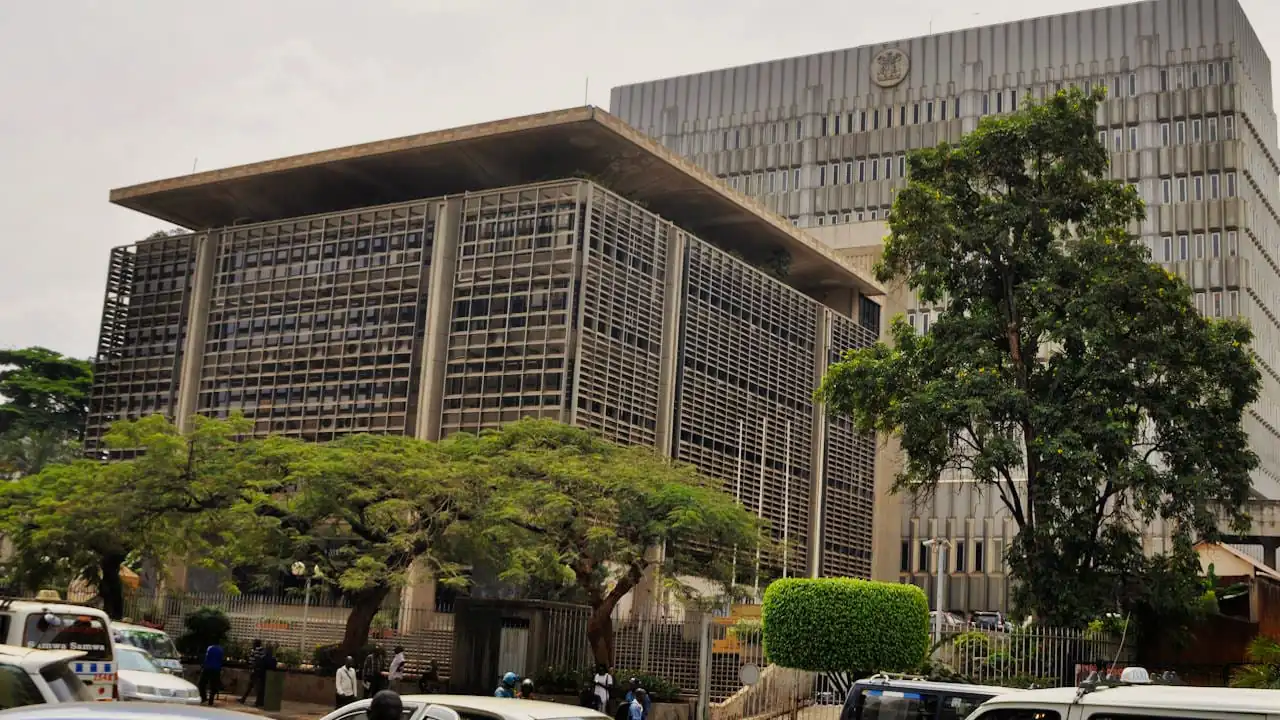
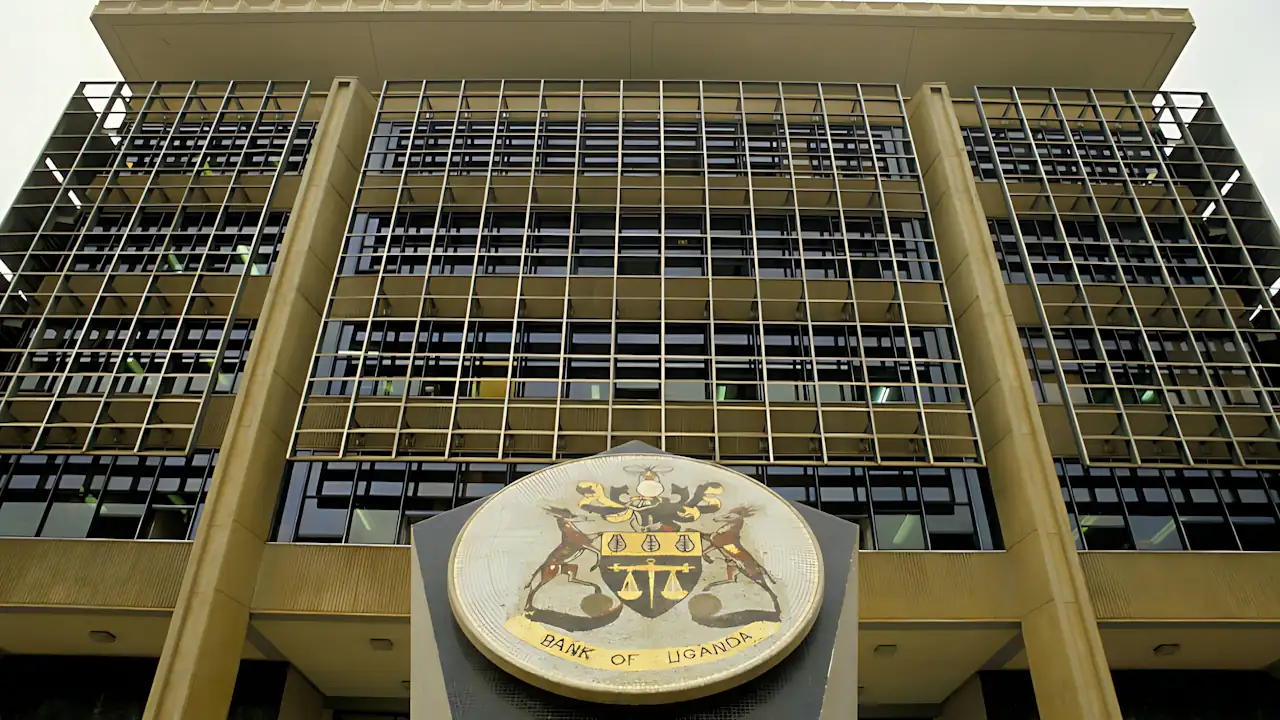

The Bank of Uganda raised its benchmark interest rate by 2.25 percentage points to 12 per cent at a special meeting on Wednesday, after a weaker shilling and higher oil prices pushed up its forecasts for inflation.
It is the first change since October 2024 and the largest increase since 2011, Bank of Uganda data show, leaving the rate at its highest since early 2017.
The Monetary Policy Committee held the rate at 9.75 per cent in August, when it said it needed clarity on the inflation outlook before considering further action and described exchange rate pressures as having eased.
BMI, part of Fitch Group, had forecast in September a quarter-point rise to 10 per cent at the committee’s scheduled meeting on 12 November.
In a statement signed by the governor, Michael Atingi-Ego, the bank said the conflict in the Middle East had escalated since August, hurting the external position and increasing exchange rate volatility. Rising interest rates in advanced economies and global risk aversion had made investing abroad more attractive than holding Ugandan assets, it said, limiting inflows and adding to the shilling’s depreciation.
The shilling was quoted at Shs4,075.48 to the dollar at midday on Wednesday, after opening at Shs4,130.24, the central bank’s rate card shows. At the midday rate it is 11.2 per cent weaker than at the end of 2025, with offshore investors trimming their holdings of Ugandan bonds, according to Bloomberg. The depreciation, together with higher oil prices, has raised pump prices, the bank said.
Lower coffee and cocoa prices, weaker tourism receipts and higher freight costs widened the current account deficit by $1.4bn to $4.6bn (Shs18.7tn) in the 12 months to August, partly offset by higher remittances.
Headline inflation rose to 4.6 per cent in September from 4.1 per cent in August, its highest since June 2023. Core inflation, which excludes volatile food and energy prices, reached 3.7 per cent from 3 per cent in May, a steady rise that the bank said showed cost pressures beginning to spread more broadly.
The bank targets core inflation of 5 per cent over the medium term. It now forecasts core inflation averaging 5.5 to 6 per cent over the next 12 months, up from 4 to 4.5 per cent in August, and headline inflation at 7 to 7.5 per cent.
Commercial banks have had to keep 13.5 per cent of their deposits at the central bank, up from 11 per cent, since 24 September, the second increase this year in the cash reserve requirement. The bank said persistent external pressures and the prospect of higher inflation call for further tightening. The rediscount rate and the bank rate, set 3 and 4 percentage points above the policy rate, rise to 15 per cent and 16 per cent.
Its growth forecast for the year to June 2027 is now 6 to 6.5 per cent, down from 7 to 7.5 per cent, which the bank attributed to tighter financial conditions, the depreciation and higher energy prices. It expects growth to reach about 8 per cent over the medium term as headwinds, which it describes as predominantly external, ease. The World Bank cut its forecast for the same year to 7.4 per cent from 8.5 per cent earlier this month, a figure that still sits above the central bank’s range.
The statement did not mention foreign-exchange intervention. The bank has said it does not plan direct dollar sales, and President Yoweri Museveni said on 9 October that he did not agree with selling reserves to support the shilling.
Policymakers said they would keep assessing domestic and global developments and were ready to take additional measures.
($1 = Shs4,075.48, the Bank of Uganda’s midday mid-rate on 14 October)